
Common Pests & Diseases
Pests & Problems
Aphids
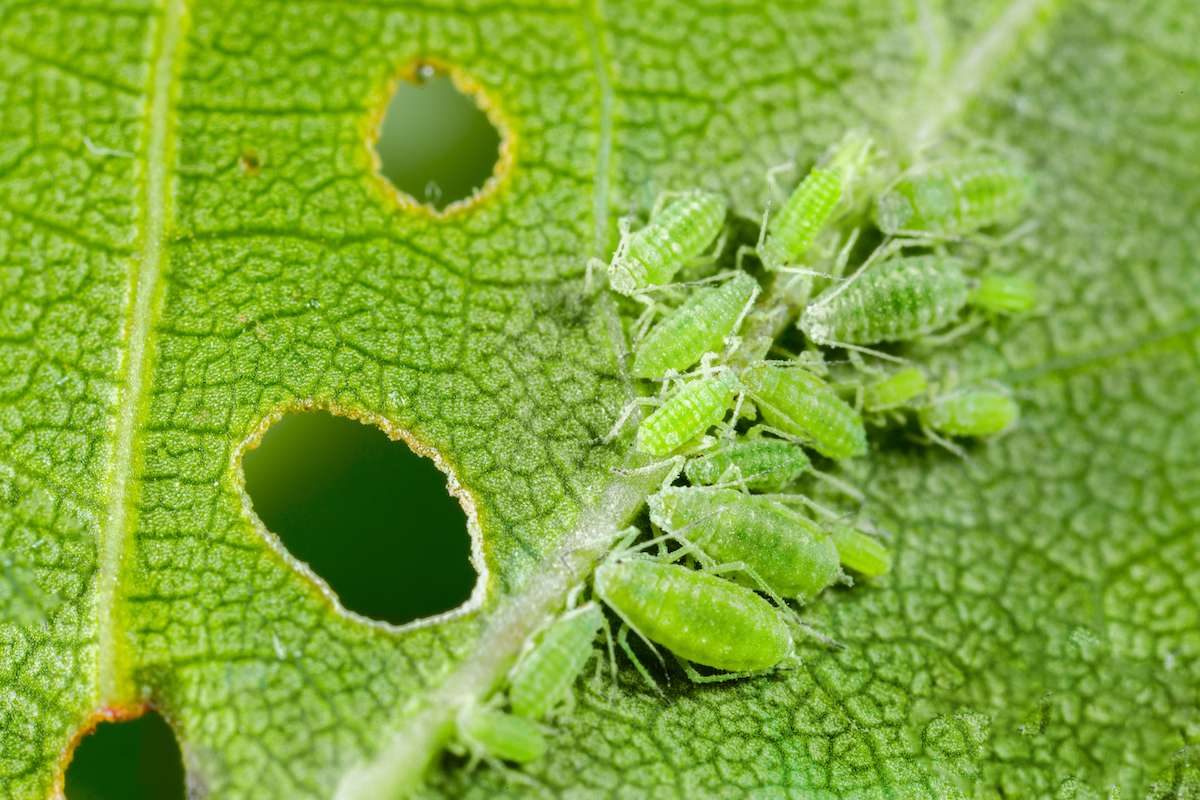
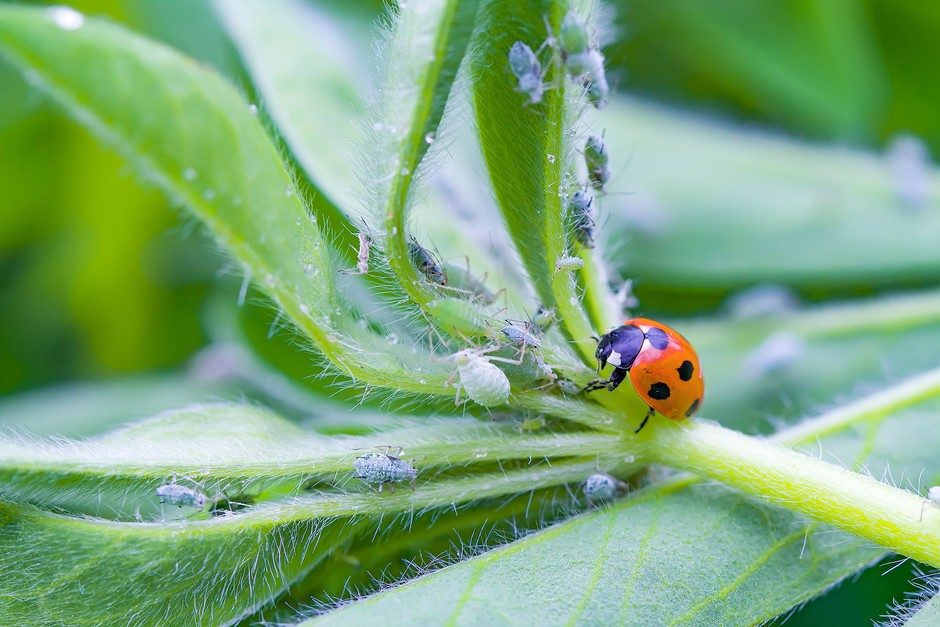
Aphids are sap-sucking true bugs. They range in size from 1 to 7 mm (¼ in or less) long. Some aphids are known as greenfly or blackfly, but there are species that are yellow, pink, white or mottled. Almost any plant can be a host to aphids.
Aphids can cause stunted growth with curled or distorted leaves and can weaken the plant, and colonies can usually be seen by the naked eye.
There are a range of biological controls available for aphid control and many are native species found in gardens, including ladybirds, predatory midges, lacewing larvae, and paracitoid wasps.
Affects:
Many plants
Pests & Problems
Cabbage root fly
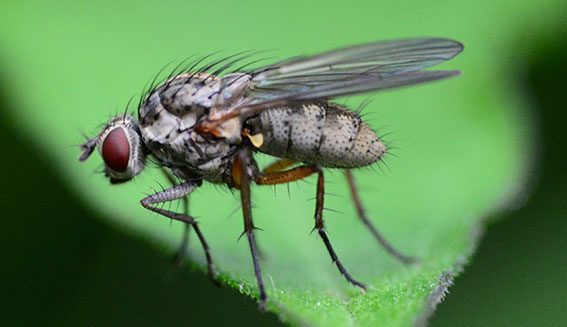
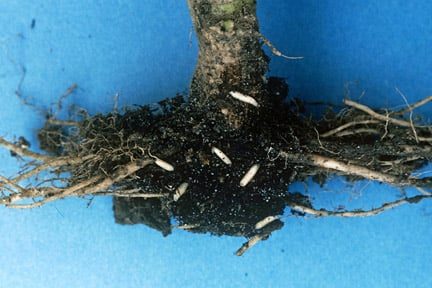
Adult cabbage root flies resemble house flies. The larvae are white, legless and headless maggots that feed on the roots and can kill seedlings and recently transplanted brassicas.
Vegetables affected by cabbage root fly can show poor growth and may wilt and die. Root crops, such as swede, turnip and radish can be ruined when maggots tunnel into the edible parts of the roots.
Check susceptible plants frequently from spring onwards so action can be taken before a damaging population has developed. Plants can be protected by growing them under the cover of mesh or fleece, and crop rotation should be practiced.
Encourage predators and other natural enemies in the garden such as hedgehogs and ground beetles, or by placing a brassica collar around the base of the stem.
Affects:
Cabbages, cauliflower, Brussels sprout and other brassicas, oriental greens, swede, turnip, radish
Pests & Problems
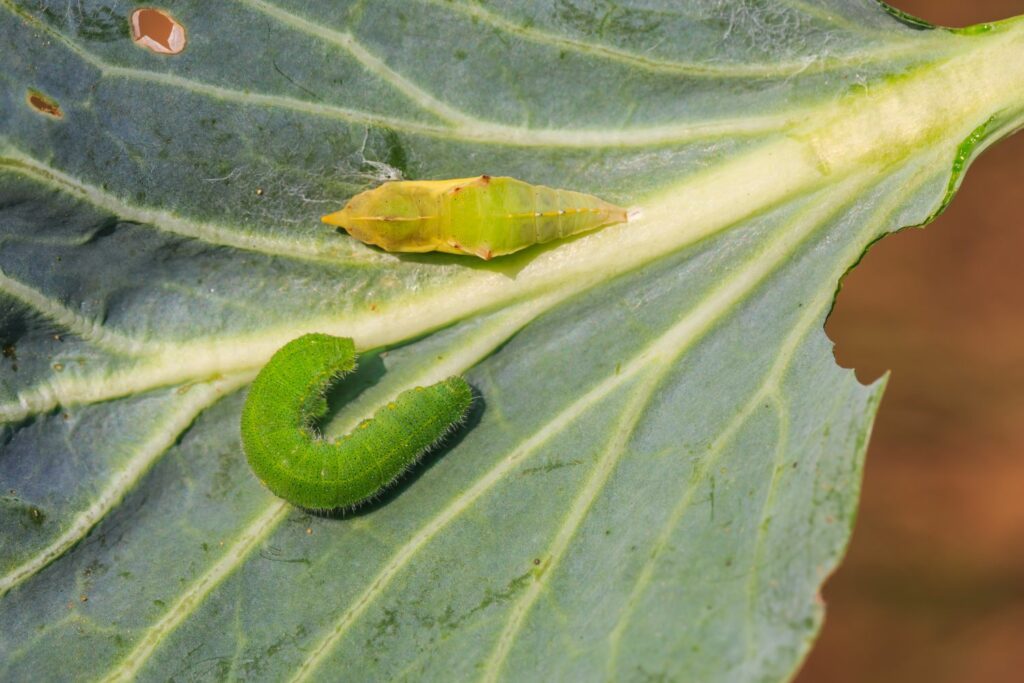
Cabbage Caterpillars
Caterpillars are the larval stage of butterflies and moths.
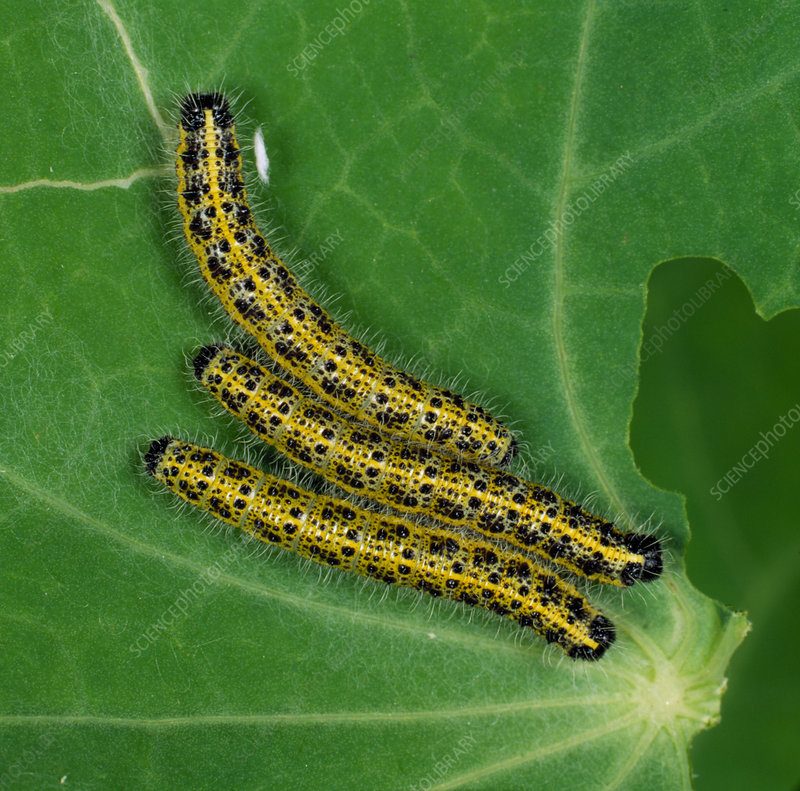
Caterpillars of cabbage moth and small white butterfly can be more damaging as they bore into the hearts of cabbages, whereas the yellow and black caterpillars of the large cabbage white stay mostly on outer leaves.
Check susceptible plants frequently from spring onwards so action can be taken before a damaging population has developed.
Large white butterflies lay clusters of yellow, skittle-shaped eggs on the top or bottom surface of leaves. Small white butterflies lay yellow eggs singly on the underside of leaves. Cabbage moth lays white spherical eggs in clusters on either surface of leaves.
Inspect plants and pick off the pale yellow butterfly eggs, white spherical moth eggs and caterpillars when seen.
Covering crops with netting or mesh can exclude adult butterflies and moths from laying eggs on the crop. Care must be taken to ensure the netting does not touch the plants or the adults can lay eggs through it.
Affects:
All edible brassicas, including cabbage, broccoli and sprouts
Pests & Problems
Carrot fly
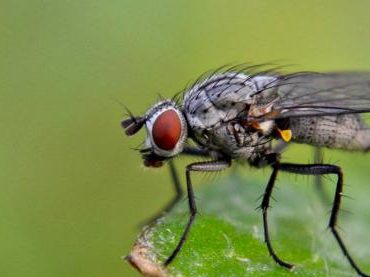
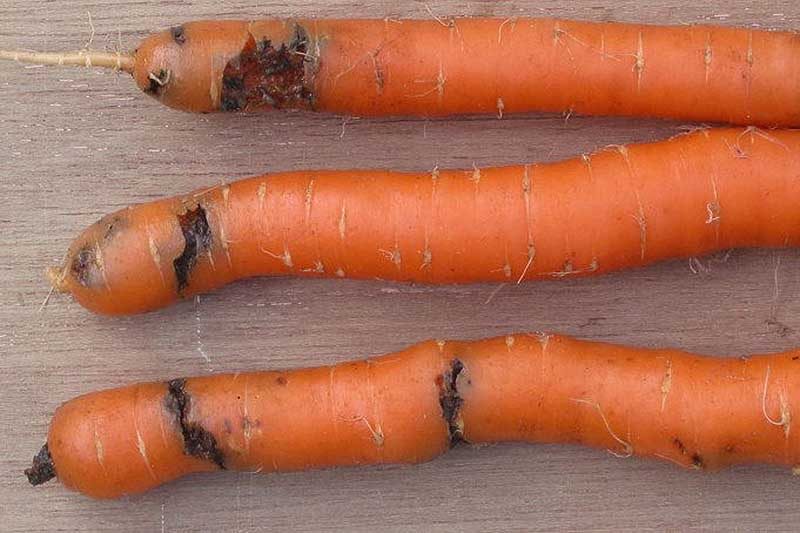
Carrot fly is a small black-bodied fly whose larvae feed on the roots of carrots and related plants. The maggots hatch from eggs and the larvae feed on the fine roots but later bore into the tap roots. When the roots are cut through, tunnels are revealed, often inhabited by slender creamy-yellow maggots, making them inedible.
Protect vulnerable crops by covering with mesh or netting and practise crop rotation, otherwise adult carrot flies may emerge from overwintered pupae in the soil. A complete covering is more effective than a barrier.
Affects:
Carrot, parsnip, parsley, celeriac and celery
Pests & Problems
Club root
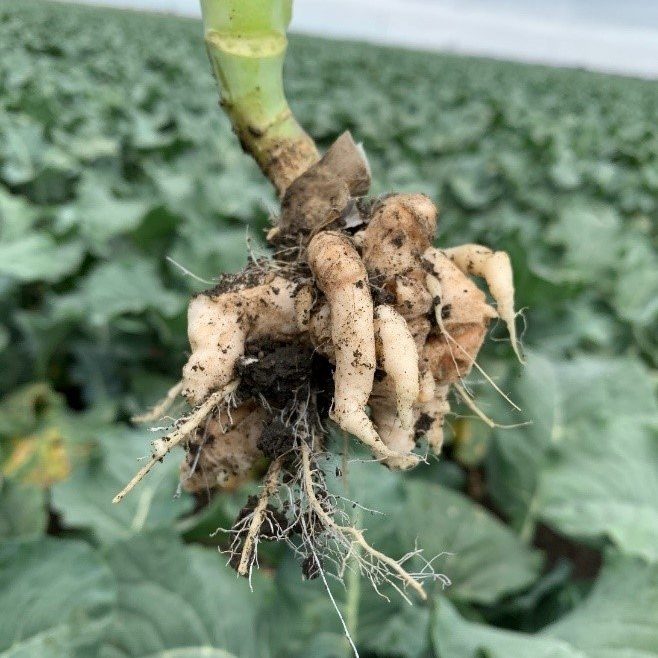
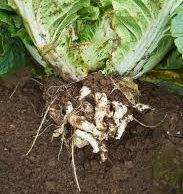
Club root is an infection of the roots of brassicas and related plants leading to massive swelling, distortion and severely retarded growth. Be particularly careful in accepting plants from gardening friends, who with the best of intentions may be an unwitting source of infected plants.
You may see stunted growth, purplish foliage and wilting in hot weather. Below ground the root system becomes massively swollen and distorted, with a loss of the finer roots. Growth and yield are severely reduced and very badly affected plants may die.
There are no chemicals available to gardeners to treat club root.
Affects:
Vegetable brassicas
Pests & Problems
Leek rust
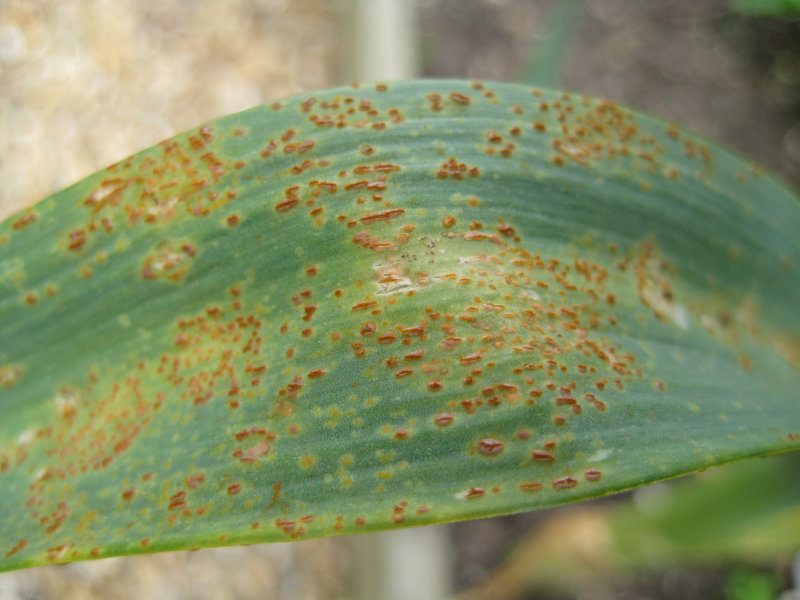
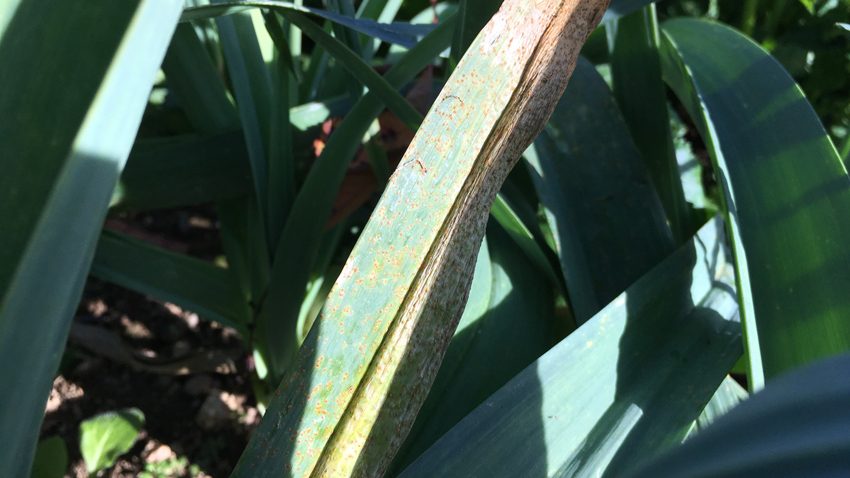
Leek rust is a common fungal disease of leeks and garlic, but also affects onions and chives. The fungus causes bright orange, raised spots (pustules) on leaves.
In the UK onions are rarely severely affected, but rust can be serious on leek, garlic and chives.
You may see bright orange pustules on both sides of infected leaves.
Severe attacks may cause leaves to shrivel prematurely and will reduce vigour.
Affects:
Leeks, onions, garlic and chives
Pests & Problems
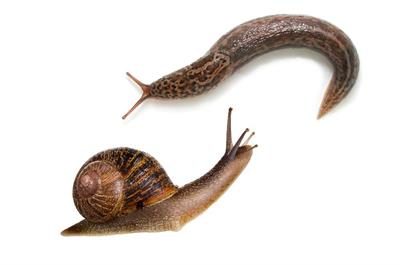
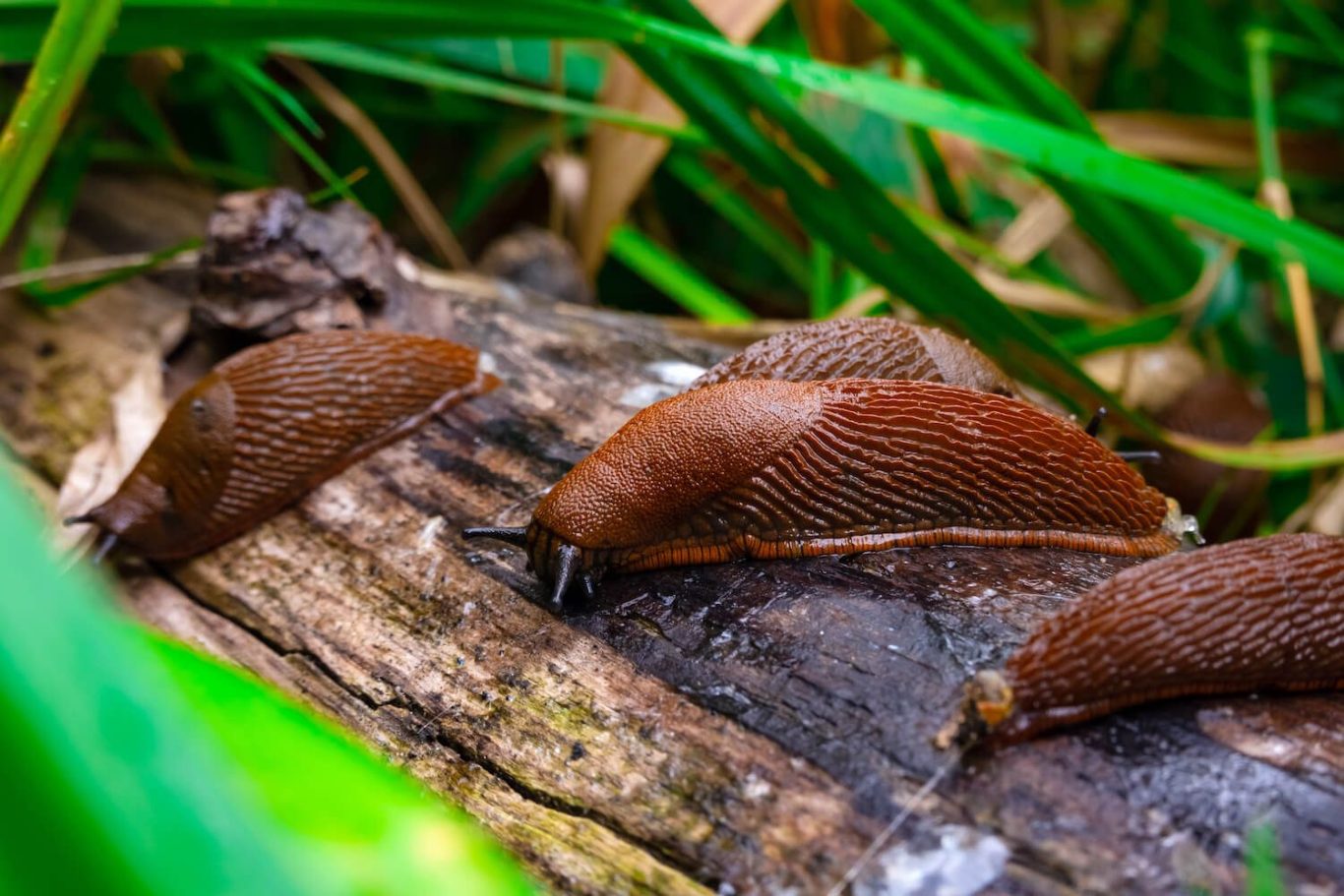
Slugs & snails
Gardeners have long thought of slugs and snails as the bad guys, but we are beginning to understand just how valuable they are in the garden ecosystem.
Many slugs and snails feed on decomposing organic matter, such as dead leaves, dung, and even dead slugs and snails, and they are a valuable part of the composting process. In addition, they are important food for other garden wildlife, such as birds, frogs, toads, hedgehogs, slow-worms and ground beetles.
If you want to minimise slugs and snail feeding on your plants, making changes to your growing practices is the best strategy. Try to minimise slug and snail damage by transplanting sturdy plantlets grown in pots rather than young vulnerable seedlings, and watering in the morning rather than in the evening.
Affects:
Mostly young seedlings
Pests & Problems
Parsnip canker
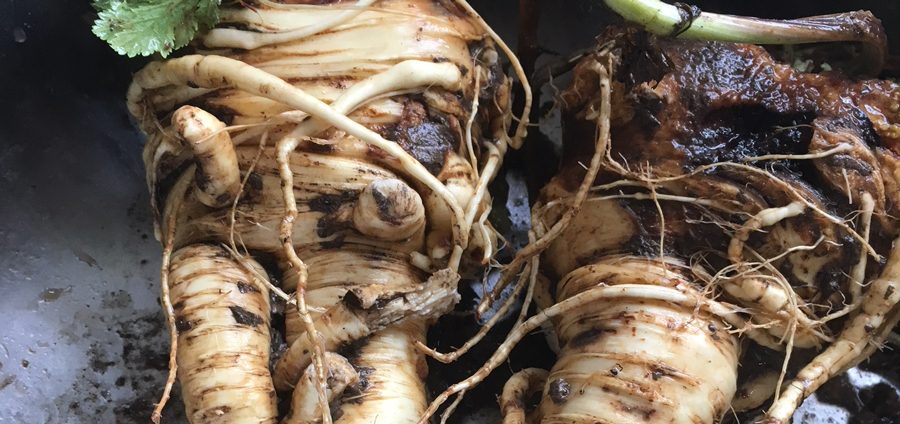
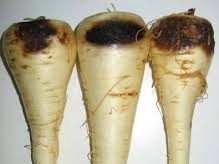
Parsnips are prone to canker, a spore driven fungal disease that causes the roots to rot. This starts to happen as cooler, damper and windier weather comes in over the autumn.
Canker is normally seen in the crown/shoulder of the parsnip, although you may see signs of it on foliage too. The root will develop orange/brown coloured patches where it will start to rot.
If you have heavy soil, your crops will be more at risk of developing canker, particularly if drainage is poor.
You can try earthing up your parsnips to ensure that the crowns are not exposed, but if your parsnips do get affected, you can simply pull them up, cut off the affected parts and use them as normal.
Affects:
Parsnip & Carrot roots
Pests & Problems
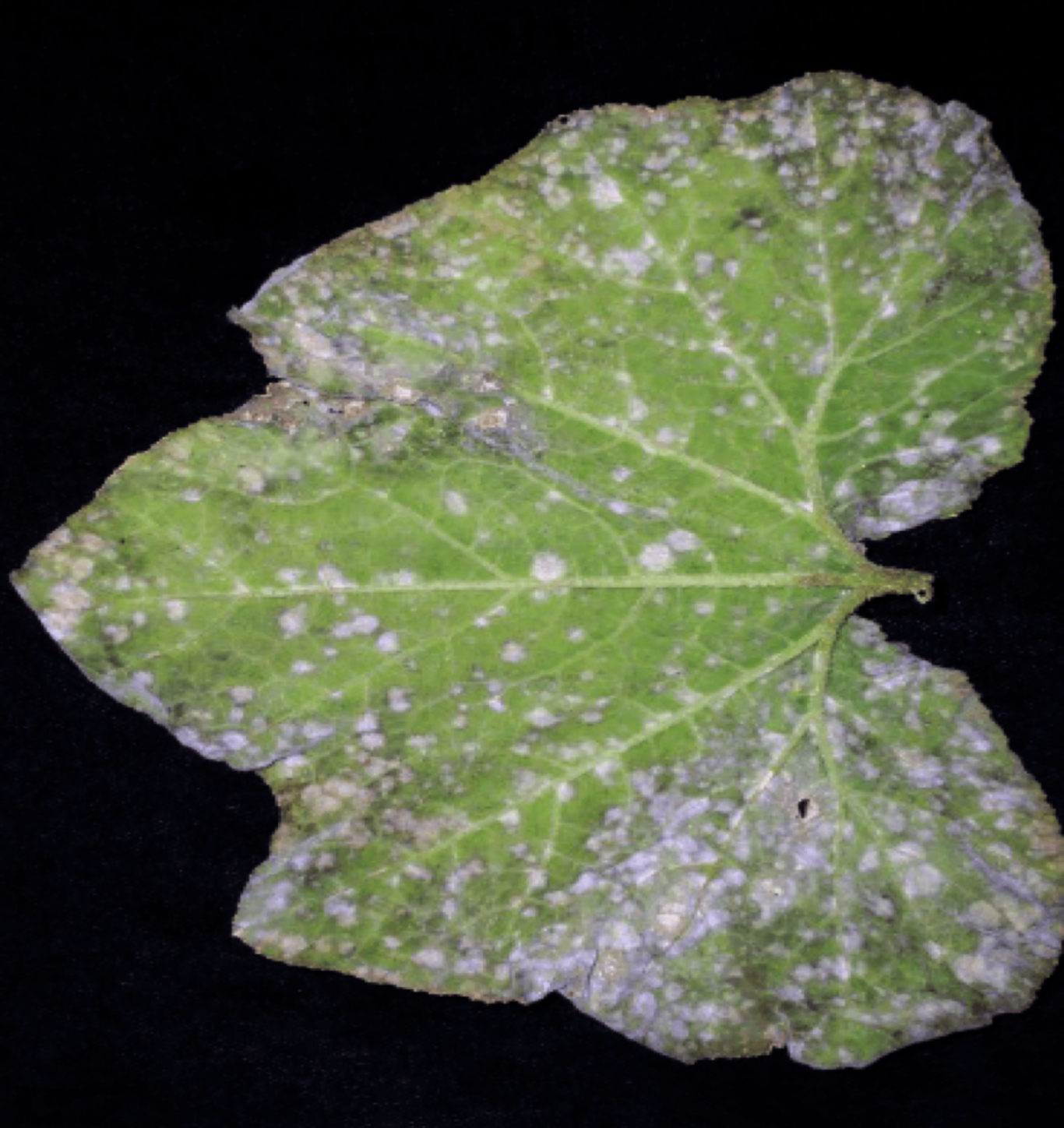
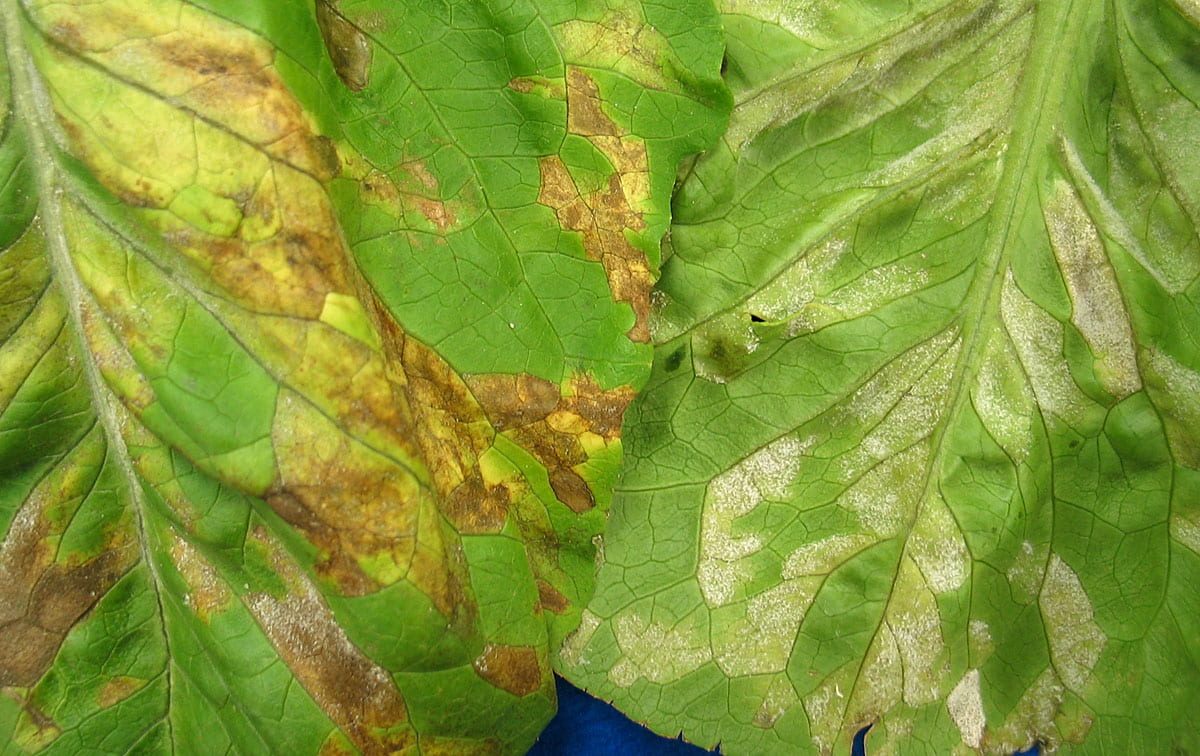
Downy Mildew
Downy mildews are caused by microscopic, fungus-like organisms. Despite a similar name and certain similarities in symptoms, they are unrelated to the powdery mildews. The disease is spread by spores produced on the underside of infected leaves. These spores are splashed by rain, and are also sometimes carried for long distances on the wind.
It is a disease of wet weather as infection is favoured by prolonged leaf wetness. Downy mildews have narrow host ranges of just a few related plants. For example, the downy mildew affecting brassicas is different from the one attacking pansies.
Look out for discoloured blotches on the upper leaf surface or mould-like growth on the underside of the leaf. Severely affected plants are often stunted and lack vigour.
Remove affected leaves as soon as symptoms are seen, and destroy severely affected plants. Avoid watering plants in the evening and practice crop rotation to avoid reinfection.
Affects:
Many edible plants, including brassicas, lettuces, onions, and peas
Pests & Problems
Powdery Mildew
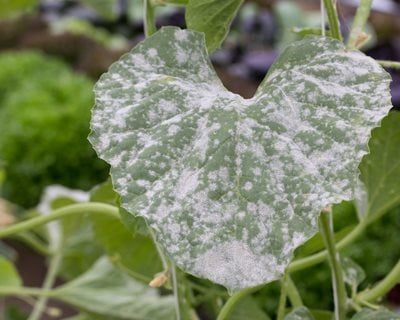
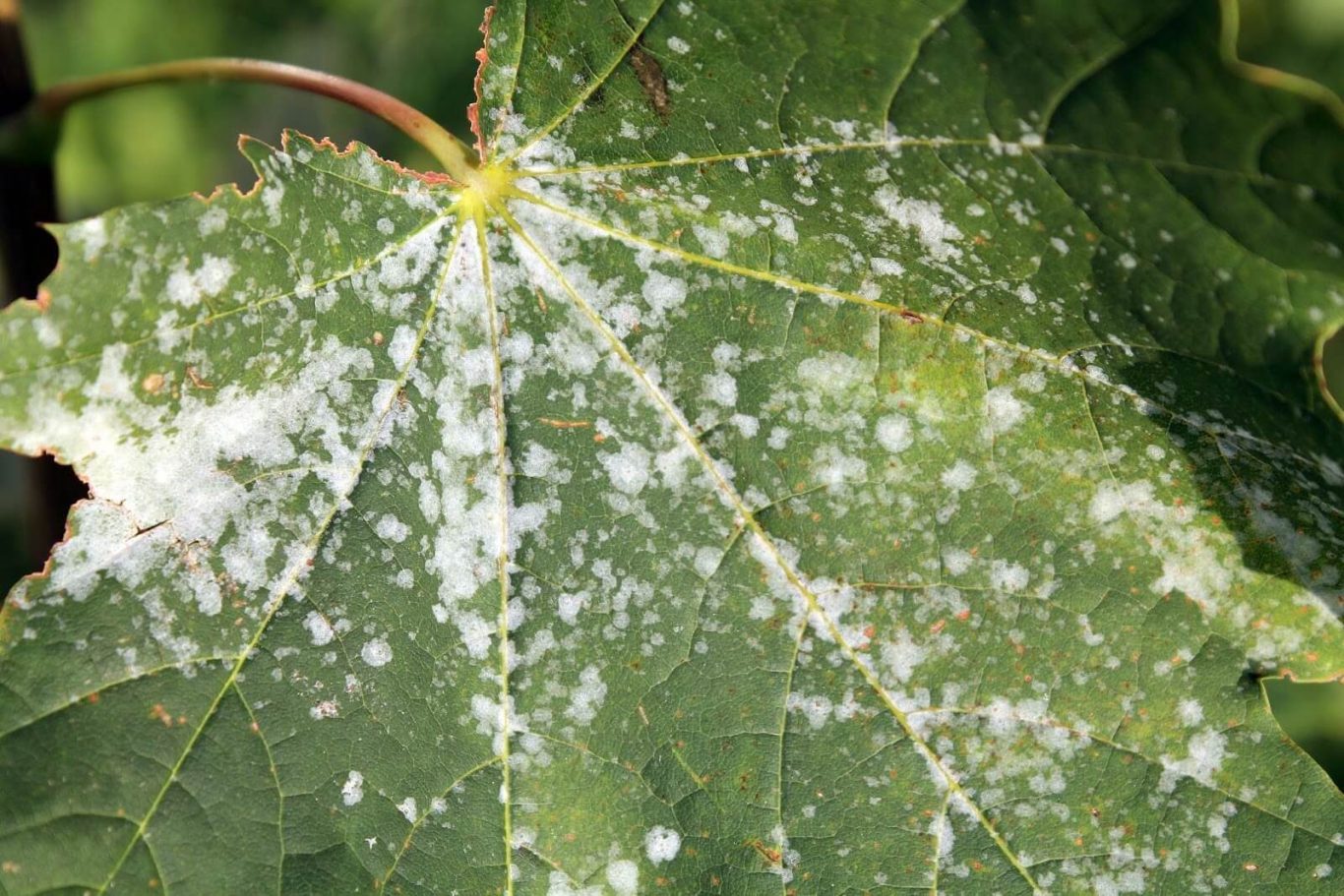
Powdery mildew is a fungal disease of the foliage, stems and occasionally flowers and fruit where a superficial fungal growth covers the surface of the plant. Powdery mildews have narrow host ranges of just a few related plants. For example, the powdery mildew affecting peas is different from the one attacking apples.
Manage the environment around susceptible plants: plant in full sun where possible, provide good drainage, don’t plant too densely, and avoid overhead watering early in the morning or in the evening.
Destroying fallen infected leaves in autumn will reduce the amount of infectious spores next spring. Promptly pruning out infected shoots will reduce subsequent infection.
Affects:
Many plants
Pests & Problems
Red spider mites
Despite the name, red spider mites are yellowish-green with a pair of darker markings. They typically only become orange-red during the autumn and winter resting period.
The mites are small, up to 1 mm (less than 1/16 ") long, and are just visible to the naked eye when present in large numbers. They are usually found on the lower leaf surface, along with their spherical eggs.
Red spider mites thrive in warm, dry conditions, usually only a problem from March to October, but damage can occur at other times in a heated greenhouse.
In heavy attacks, a fine silk webbing may be seen on the plants, and the leaves can lose most of their green colour and dry up or fall off. Heavily damaged plants can be severely weakened and may die.
Affects:
Many greenhouse and garden plants