
Growing Guide - Roots & Salads
Carrots
Daucus carota
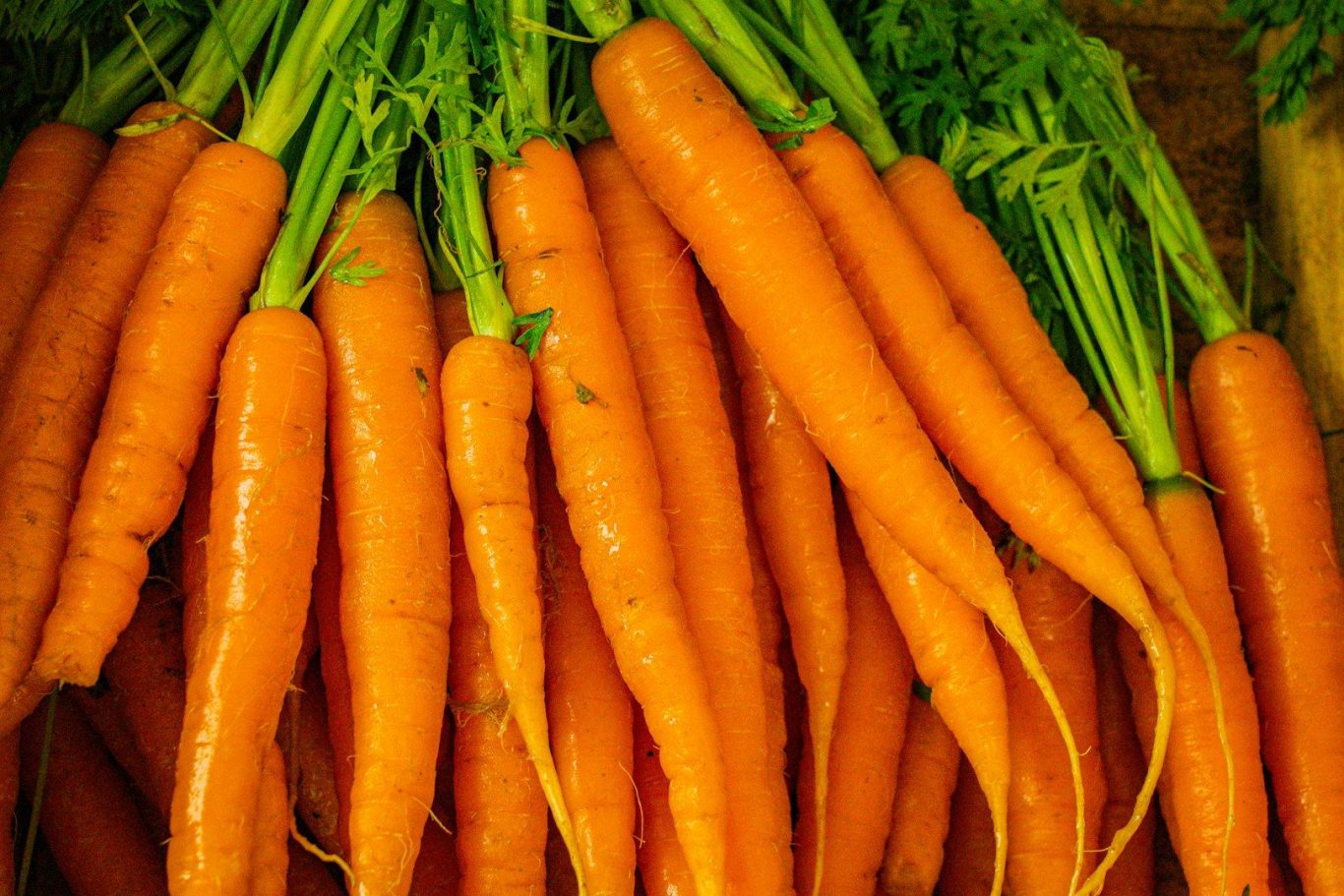
Straightforward to grow from seed, carrots are sweet, tasty and packed with vitamins. Sow small batches regularly for harvests almost all year round.
Baby carrots can be harvested in only four to six weeks, while larger carrots usually take three months or more.
There are numerous varieties to choose from, including purple, white and yellow, with a few varieties offering some resistance to carrot fly.
Soil & Sowing
Likes well-drained, light soil. Drought resistant
Avoid stony, shallow or heavy clay
Sow direct in shallow drills 15-30cm apart
Growing
Water during dry periods, drought resistant
Weeds can crowd out carrots, so remove them regularly
Protect from birds/insects with mesh/netting
Thin out seedlings to give space to grow
Affected by: Slugs/Snails, Carrot fly
Harvesting
Ready to harvest 12-16 weeks after sowing
Lift carefully using a fork to avoid snapping
Big roots tend to lose flavour, harvest when small for sweeter carrots
Growing Guide - Roots & Salads
Parsnips
Pastinaca sativa
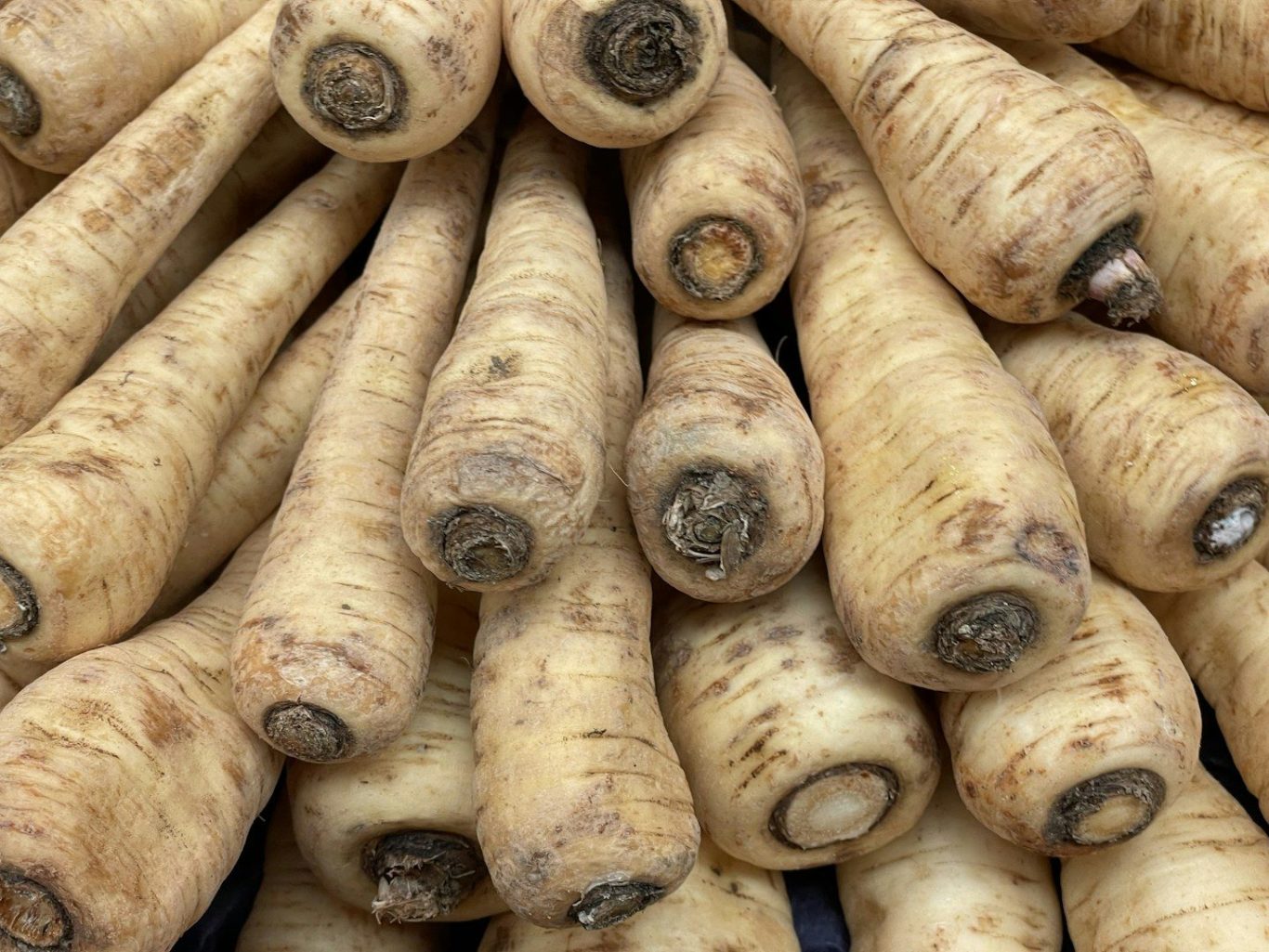
Parsnips need little maintenance and can be left in the ground until you’re ready to eat them. Slow growing, but deliciously sweet and well worth the wait!
Parsnips have a reputation for being tricky to germinate, ideally wait until the soil has warmed up in mid-spring. Sowing indoors is not recommended, as parsnips form a tap root that doesn’t transplant well.
Delicious roasted or added to hearty winter stews.
Soil & Sowing
Open, sunny area with deep, light soil that drains readily
Remove as many stones as possible and loosen heavy/compacted soil
Sow in shallow drills 30cm apart, sow extra as germination unreliable
Growing
Weed regularly, water during dry spells
Thin out to 1 every 15cm (6")
Protect from birds/insects with mesh/netting
Affected by: Carrot fly, Parsnip canker
Harvesting
Ready to lift when leaves start dying in autumn, although frost will sweeten the roots
Carefully lift roots with a fork
If overwintering, mark rows and cover ground with straw
Growing Guide - Roots & Salads
Onions
Allium cepa
Onions are an easy crop to grow, taking up relatively little space, with minimal maintenance.
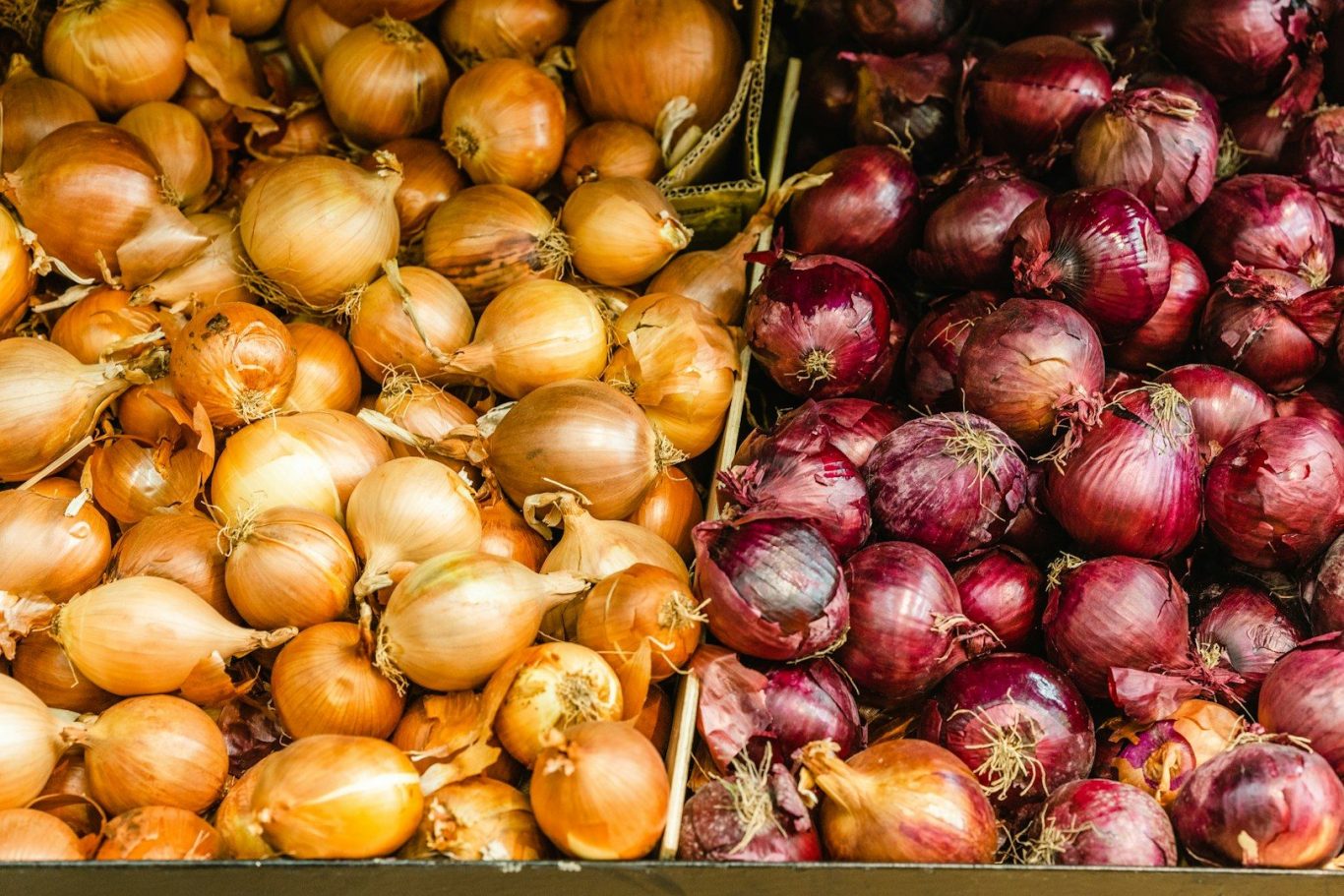
There are many varieties to choose from, producing yellow, white or red onions, some spicy and tangy, others mild and sweet. Varieties mature at different times, from early summer to early autumn.
Although often grown from sets, onions can be grown from seed, sown either indoors or outside, from mid-winter to mid-spring. More time and care is needed to grow from seeds, but seeds are cheaper and offer a greater choice of varieties.
Soil & Sowing
Sunny site with free-draining soil
Avoid using fresh manure, or previous onion beds
Sow in modules, 1-4 seeds per module, harden off before planting out
Space plants 5-10cm (2-4") apart, rows 25-30cm (10-12") apart. Wider spaces give bigger onions
Growing
Water when dry, stop watering when bulbs form, Avoid leaves when watering
Weed regularly
Remove any flowers as they form
Affected by: Relatively problem-free
Harvesting
Harvest before the foliage dies down completely
Carefully lift the bulbs with a fork
Growing Guide - Roots & Salads
Cucumbers
Cucumis sativus
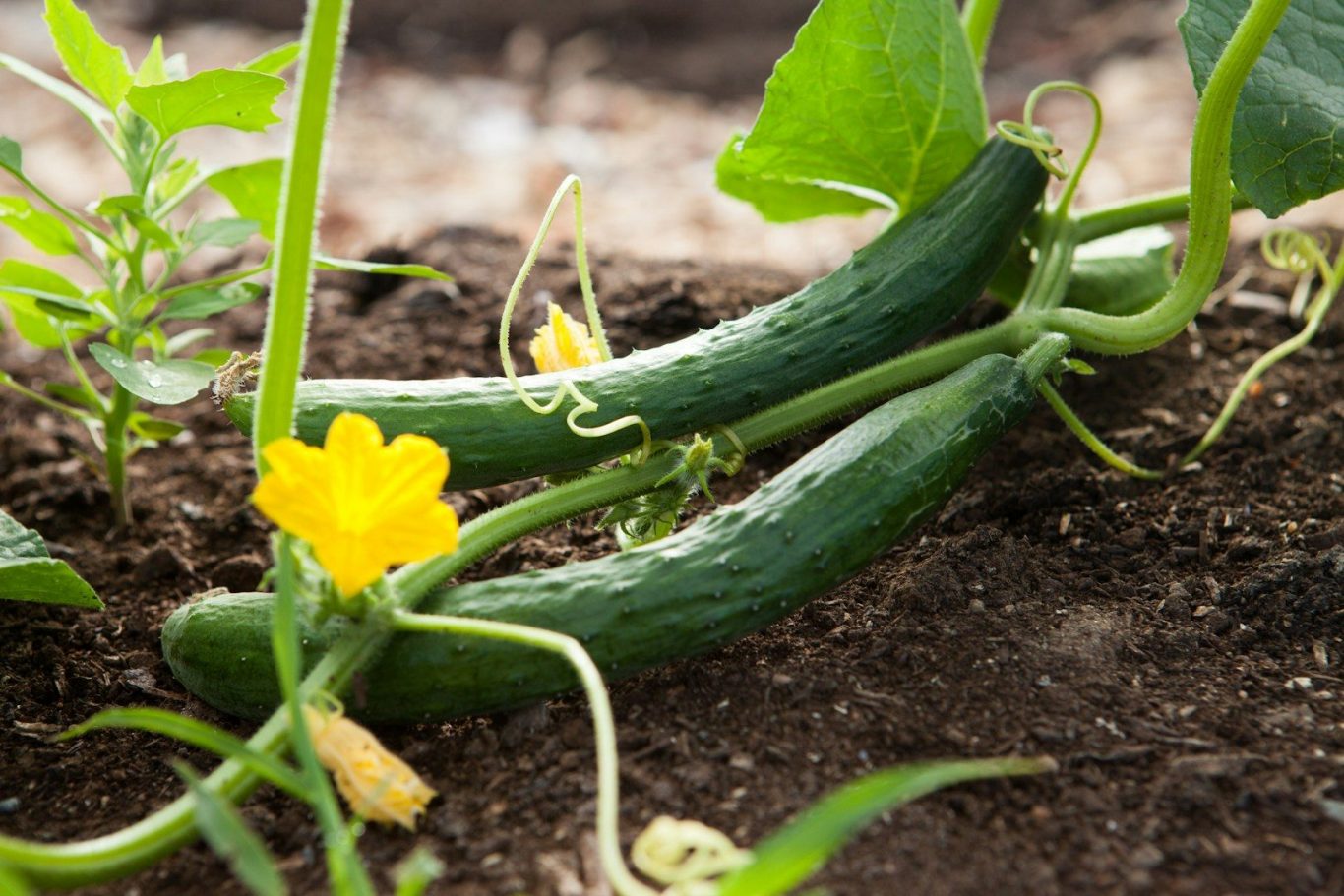
Cucumbers can be grown in a greenhouse, or outdoors in a warm, sunny spot.
Climbing or trailing plants, they can be grown up supports or left to trail along the ground, and with enough warmth and plenty of moisture, they’ll produce lots of tasty, crunchy, refreshing cucumbers from mid-summer onwards.
Cucumbers can also be grown in deep containers at least 30cm (1ft) wide
If leaving plants to trail over the ground, lay weed-suppressing membrane over the soil after planting
Soil & Sowing
Best sown indoors, move to final position when growing strong
Put supports in place at time of planting
Growing
Water base of plants regularly, avoid watering leaves
Pinch out growing tip once plants have developed 7 leaves
Pinch out the tips of flowerless side-shoots after 7 leaves
Affected by: Powdery mildew, Red spider mites, Mosaic virus
Harvesting
Fruits should be uniformly green and firm, with a slightly rounded tip
Cut stem cleanly with a sharp knife
Growing Guide - Roots & Salads
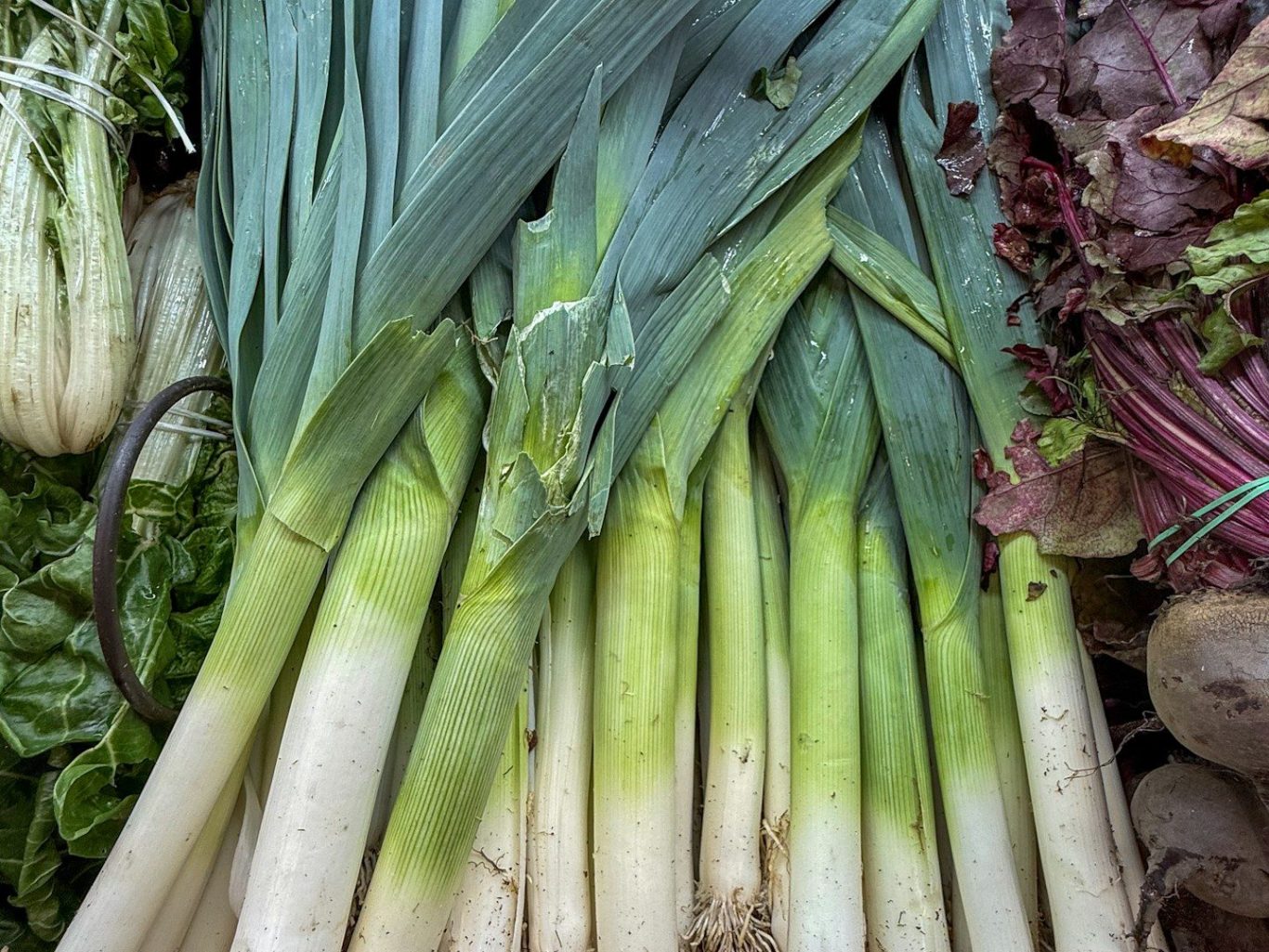
Leeks
Allium porrum
Popular, tasty and easy to grow, leeks are sown in spring and grow slowly and steadily through summer and autumn. Hardy winter varieties can be left in the ground overwinter and harvested when needed.
You can harvest leeks at any size – baby leeks take a couple of months, while full-sized leeks can take 6 months. Prized for their delicious mild flavour, harvested early baby leeks are sweet and tender
Soil & Sowing
Sunny spot with free-draining, weed-free soil
Avoid previous onion beds
Sow in pots/modules, transplant at around 8 weeks
Growing
Harden off and transplant 15-20cm (6-8") apart, with 30cm (12") between rows
Weed regularly, water during dry spells. Avoid foliage when watering
'Earth up' stems to keep white
Affected by: Leek rust
Harvesting
Gently lift individual plants using a fork
Harvest alternate leeks along the row
Growing Guide - Roots & Salads
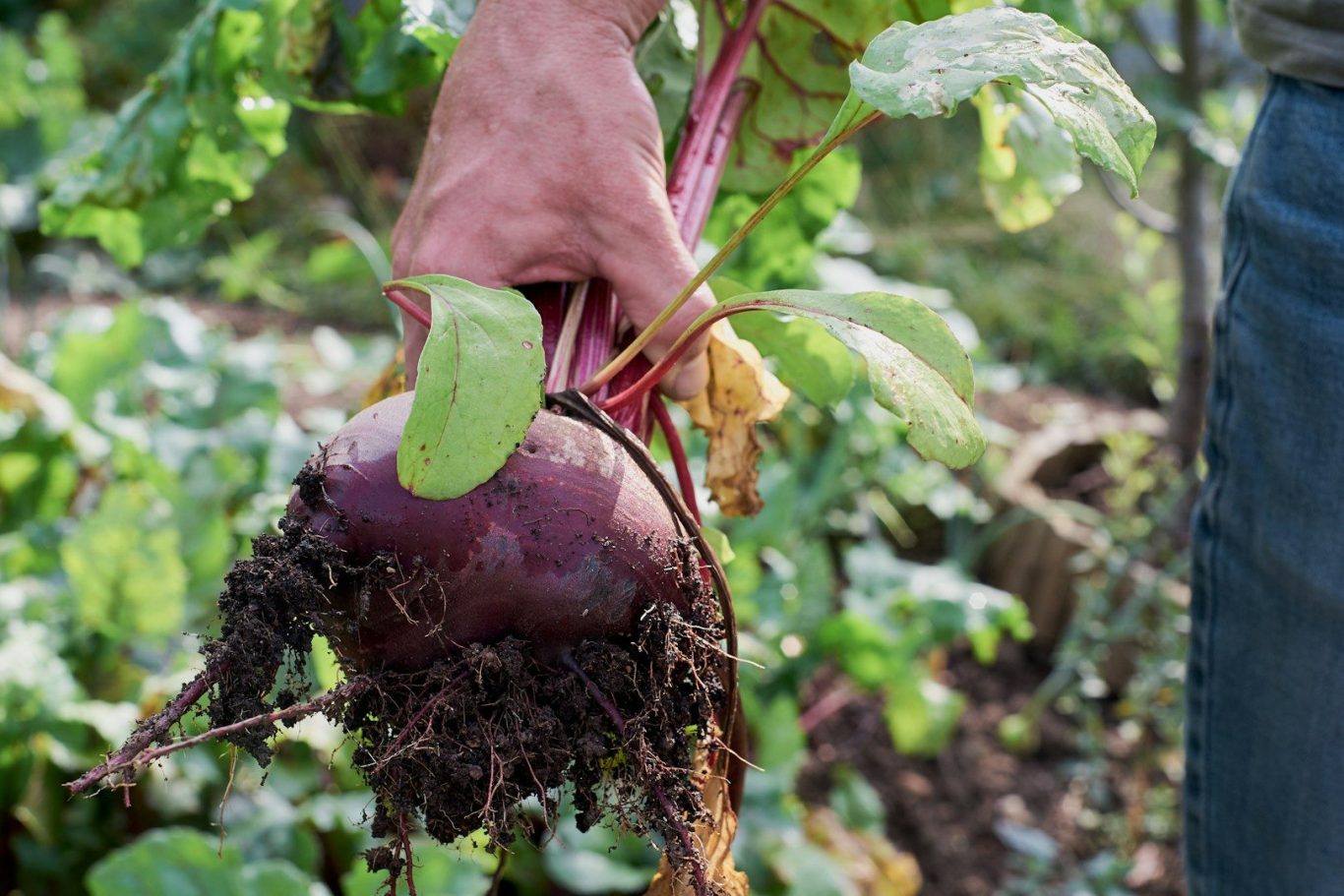
Beetroot
Beta vulgaris
These sweet, colourful and nutritious roots are packed with vitamins, minerals and other beneficial compounds. The leaves are edible too, and often tinted or veined with red, and can be used like spinach or eaten raw when young.
The leaves can be harvested at the same time as the root or take a few leaves from each plant through the growing season. Beetroot leaves can be cooked like spinach, young leaves can be added raw to salads.
The roots can be eaten raw when young, or can be steamed or roasted. Bear in mind – red varieties will stain your hands!
Soil & Sowing
Sunny site, fertile soil that drains well and doesn't waterlog
Soak seeds in warm water for an hour before planting to aid germination
Sow in clusters 10cm (4") apart, with 30cm (12") between rows
Growing
Water regularly until strong and established
Weed regularly
Affected by: Relatively problem-free
Harvesting
Loosen soil, lift alternate roots
Leaves can be harvested anytime
Growing Guide - Roots & Salads
Tomatillo
Physalis philadelphica
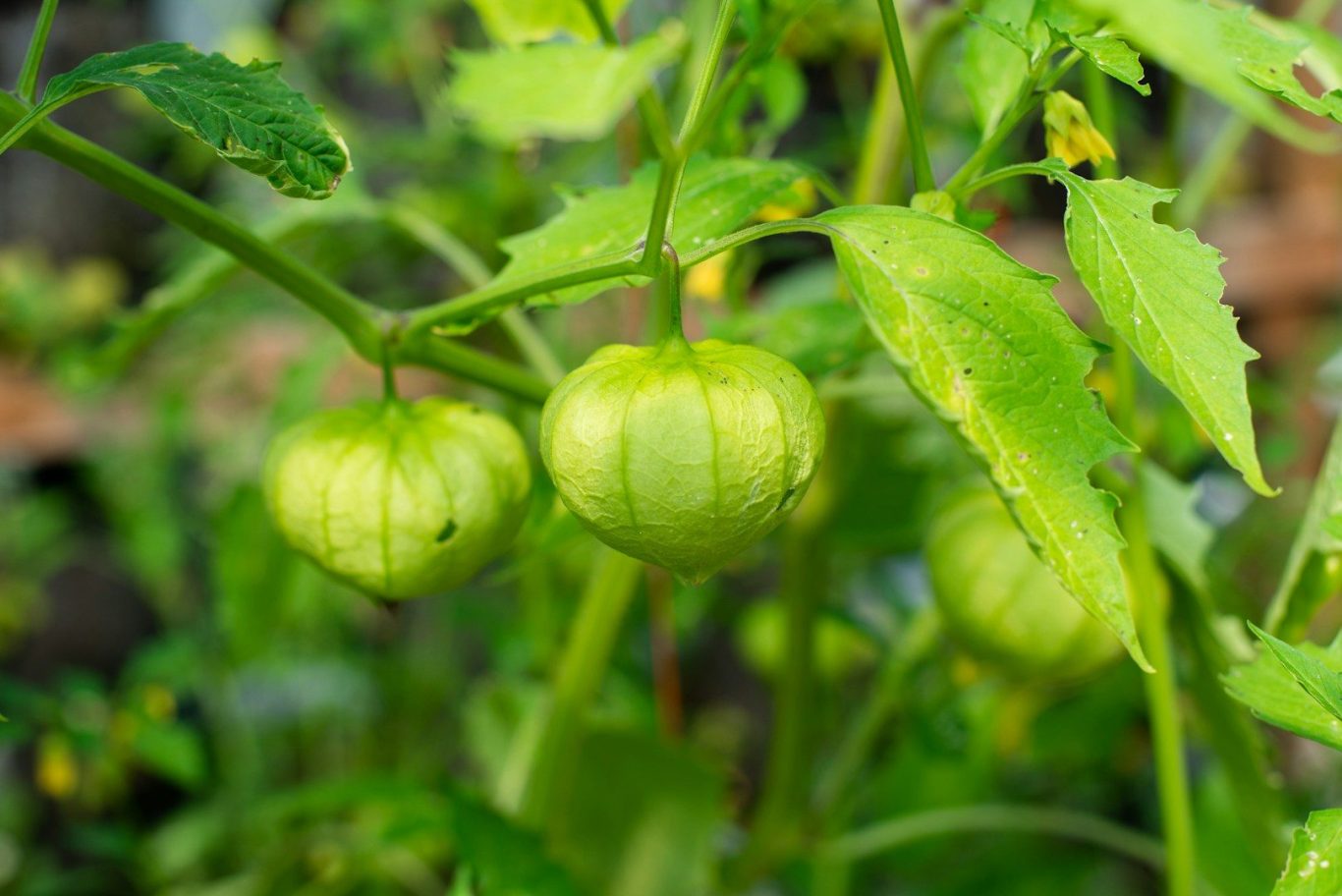
Tomatillos originate from Mexico and are equivalent to our tomato.
Although they look like a green tomato, they taste more like a green pepper combined with fruity lime juice. They make delicious salsa and soup.
Unlike tomatoes, tomatillos develop inside a green papery hood.
Tomatillos are best eaten when green and young, about the size of a ping pong ball. When mature, tomatillos start to turn purple and develop a sour flavour.
Soil & Sowing
Sow indoors in modules, transplant outdoors only during warm weather
Leave 1m between plants
Minimum of 2 plants needed for polination
Growing
Harvesting
Squeeze the paper husks to check that the tomatillo is the right size
Harvest when they are a fresh, bright green colour.
Growing Guide - Roots & Salads
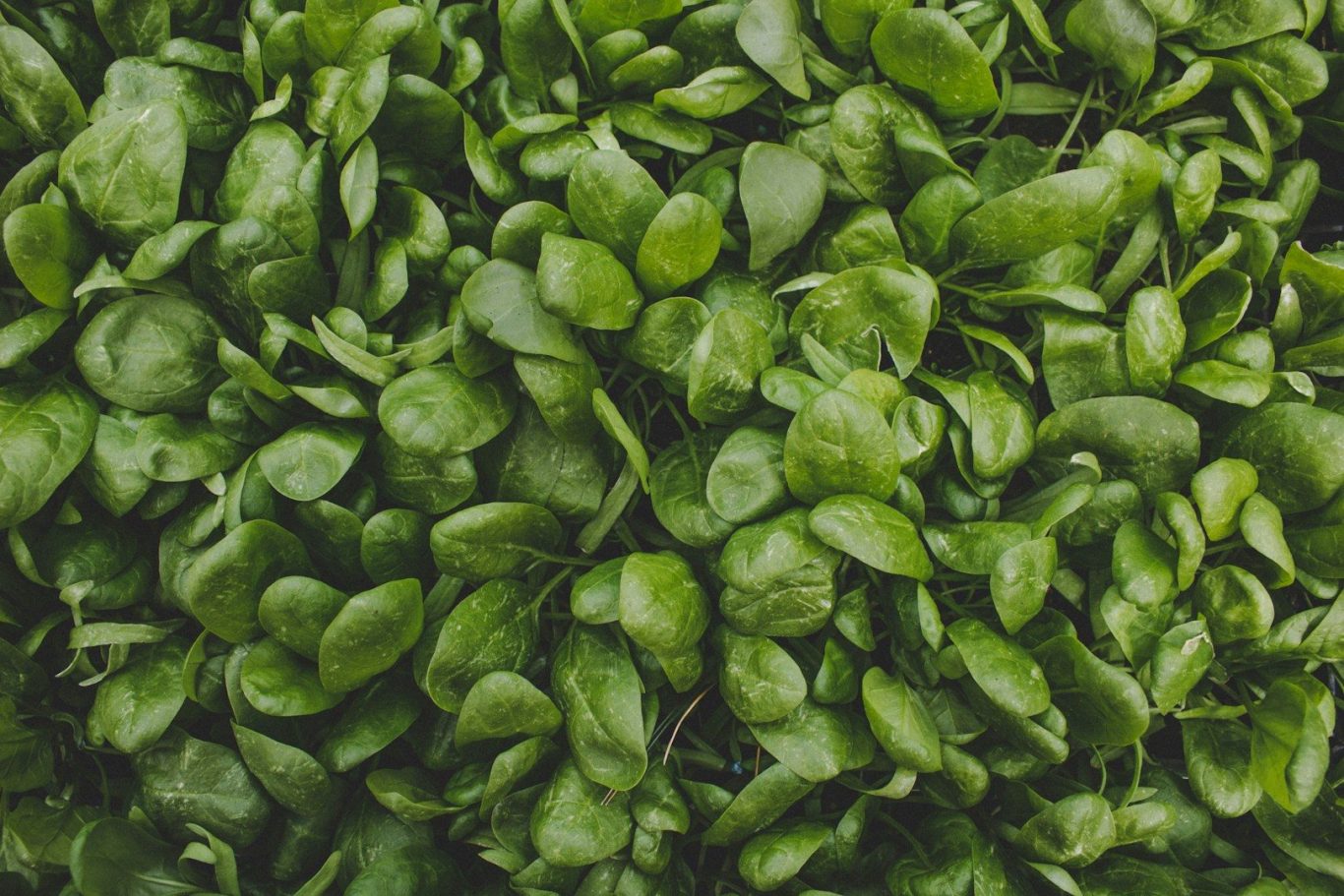
Spinach
Spinacia oleracea
Spinach is quick to grow, and does best in milder temperatures as cold or hot and dry conditions can cause it to start flowering prematurely.
You can pick delicious baby spinach leaves a month after sowing, and mature leaves in just two months. Young spinach leaves are tender and tasty used raw, while larger leaves are best cooked very lightly – briefly steamed, sautéed or simply wilted.
Remember that the leaves greatly reduce in volume during cooking, so pick generous quantities.
Soil & Sowing
Seeds germinate best in cool weather
Sow in drills 3cm (1") deep, with 20cm (8") between rows
Can also use growbags
Growing
Water regularly until strong and established
Thin seedlings to 8cm (3") apart
Weed regularly, water consistently in the morning
Affected by: Slugs/snails/birds, Downy mildew
Harvesting
Take repeated pickings from different plants
When well established harvest whole crop at base
Growing Guide - Roots & Salads
Chard
Beta vulgaris
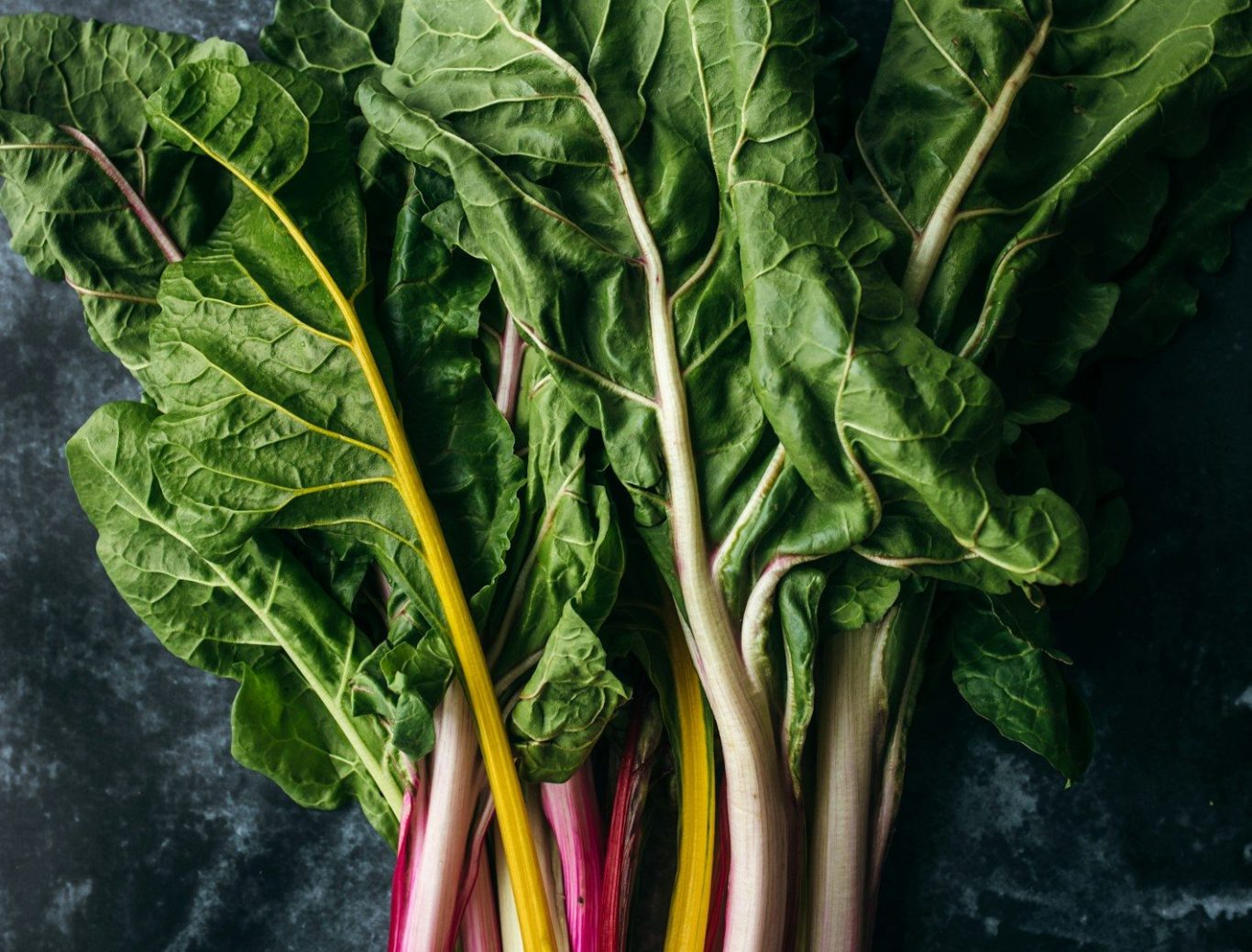
With large, lush foliage and bright stems, chard is an attractive crop and easy to grow from seed. For long harvest seasons, sow in small batches and harvest leaves repeatedly.
Stem colours are mainly hot shades of ruby, crimson, pink, orange or yellow, or pure white, although the green leaves may also be blushed with red.
The leaves can grow quite large, at least 30cm (12") tall, and regular picking encourages more leaves to form. You can either take a few leaves from each plant or, with an established plant, cut all the leaves in one go.
Young leaves can be used raw and larger leaves lightly cooked or steamed.
Soil & Sowing
Rich, moisture-retentive, free-draining soil
Space 10cm (4") apart
Can be grown in large containers
Growing
Harvesting
Take outer leaves first, leave inner leaves
Established plants can be harvested at the base