
Growing Guide - Legumes
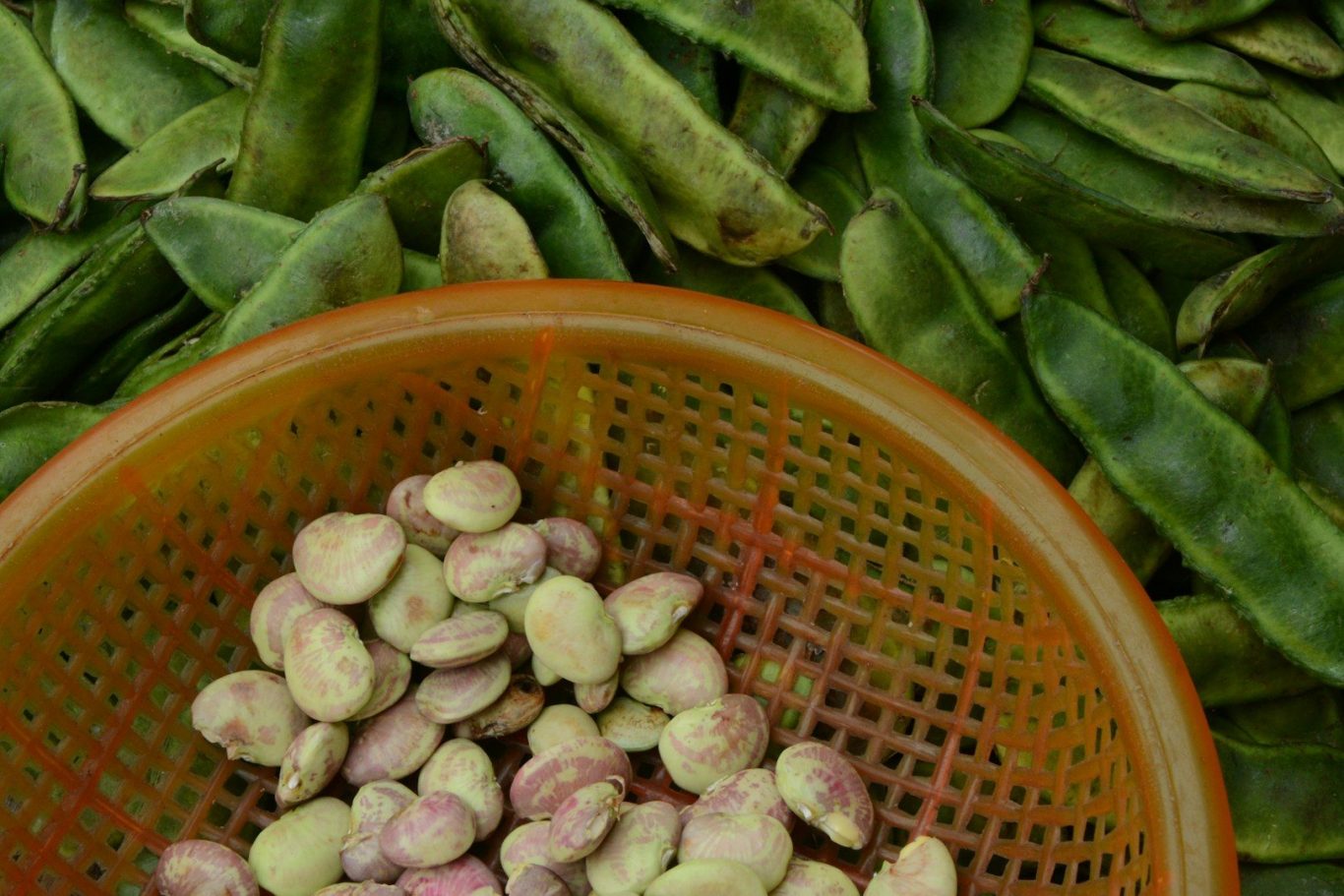
Broad beans
Vicia faba
Broad beans are straightforward to grow from seed, usually sown in late winter (indoors, or outdoors with protection), or in spring outdoors.
Most broad beans need staking. Insert stakes at each end, and every 1.2m (4ft) along the rows. Run string around the stakes at 30cm (1ft) intervals from the ground.
Broad beans are an easy and productive crop, and if you sow in batches you can enjoy fresh beans from early to late summer.
Soil & Sowing
Sunny, sheltered site. Rich, free-draining soil
Add well-rotted manure/compost beforehand
Sow bean seam down, 5-8cm (2-3") deep. Single rows 45cm (18") apart, double rows 23cm (9") apart with 60cm (12") between rows
Sow several batches, a few weeks apart
Growing
Harden off before planting out, and water in well
Beans grown in the ground need a good water as they start flowering, grown in containers need regular watering
Support as required, weed regularly
When pods begin to form, pinch off growing tip
Affected by: Black aphids
Harvesting
Pick pods when relatively small for sweeter beans
Cut with scissors to avoid damaging the plant
Regular picking encourages further pods to form
Growing Guide - Legumes
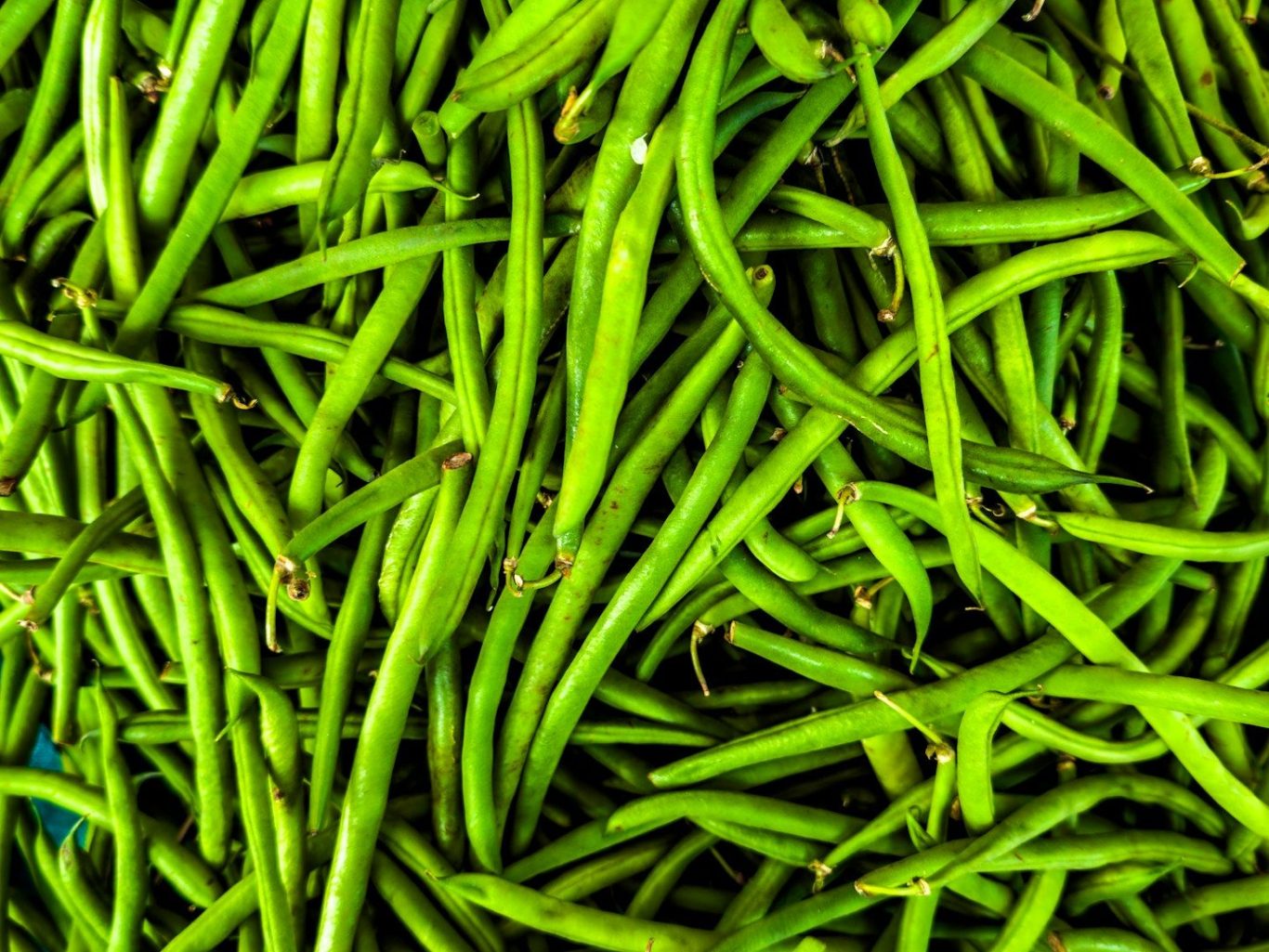
French beans
Phaseolus vulgaris
There are two types of French bean – climbing and dwarf. Climbing beans need tall supports and do best in the ground, dwarf beans are perfect for small spaces, growing well in containers as well as the ground.
There are many varieties to choose from, producing green, yellow or dark purple pods. Climbing French beans need tall supports to climb up, put in place before sowing or planting. Insert short twiggy sticks between dwarf bean plants to keep them upright and lift the pods off the soil.
Dwarf French beans will crop for several weeks, and climbing varieties for much longer.
Soil & Sowing
Sunny, sheltered site. Rich, free-draining soil
Add well-rotted manure/compost beforehand
Make A-frame/X-frame/Wigwam supports
Sow several batches, a few weeks apart
Growing
Ensure all risk of frost has passed before planting out
Water well, place 15cm (6") apart
Pinch off growing tip when ideal height is reached
Affected by: Black aphids
Harvesting
Pick pods at 15–20cm (6–8") long
Regular picking encourages more
Leave roots in soil and cut stem base to add nitrogen
Growing Guide - Legumes
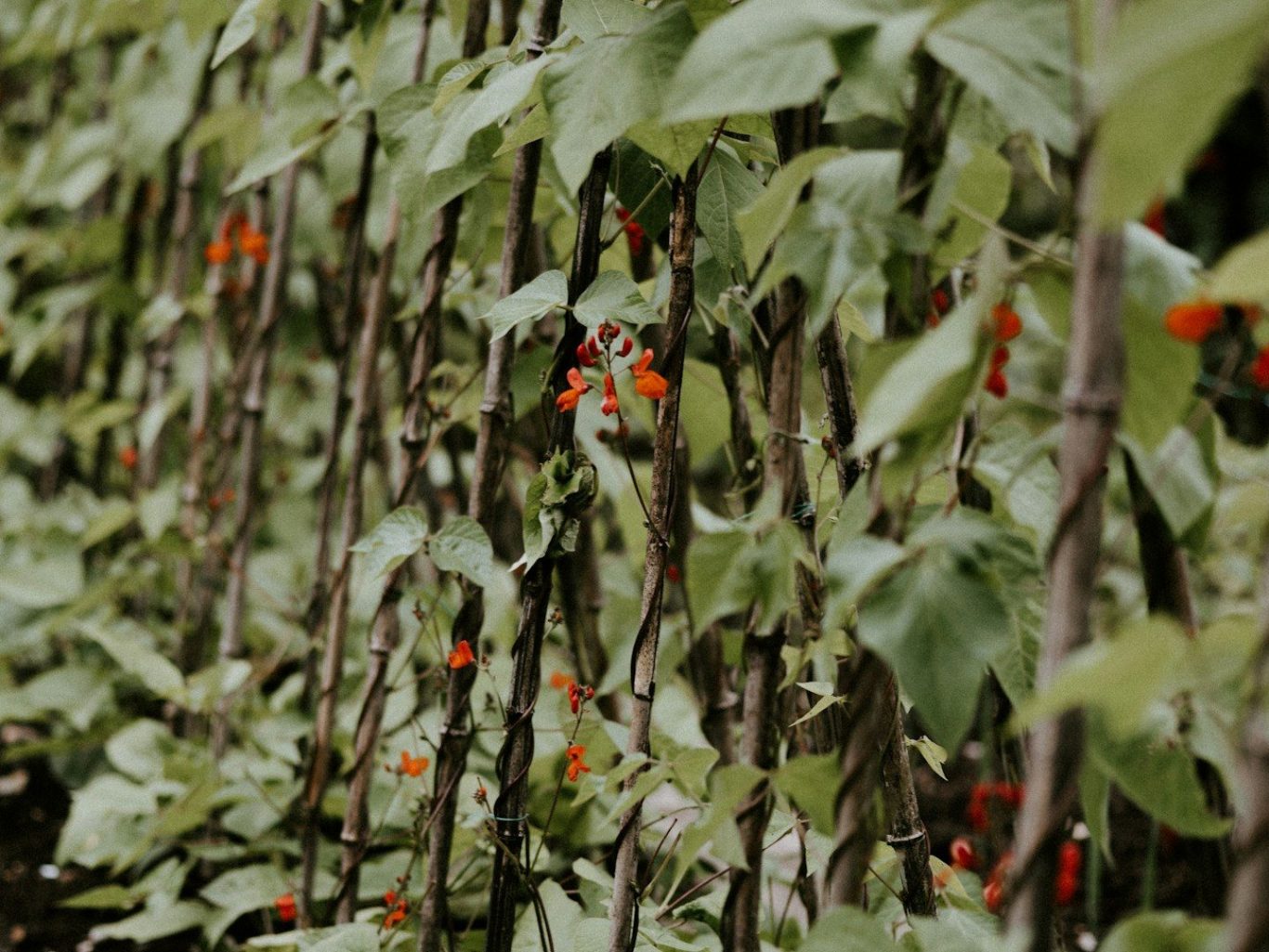
Runner beans
Phaseolus coccineus
Easy to grow from seed and highly productive, runner beans are a great addition to any allotment, with dwarf varieties suitable for small spaces or containers.
Most runner beans are climbers – they need tall supports to climb up, put in place before sowing or planting. Insert short twiggy sticks between dwarf bean plants to keep them upright and lift the pods off the soil.
Runner beans usually start cropping around mid-summer, and will continue for eight weeks or more if harvested regularly.
Regular harvesting is essential to prevent pods fully forming, which will end the flowering cycle
Soil & Sowing
Sunny, sheltered site. Rich, free-draining soil
Add well-rotted manure/compost beforehand
Make A-frame/X-frame/Wigwam supports
Sow several batches, a few weeks apart
Growing
Ensure all risk of frost has passed before planting out
Water well, place 15cm (6") apart
Pinch off growing tip when ideal height is reached
Affected by: Black aphids
Harvesting
Regular picking encourages more
Leave roots in soil and cut stem base to add nitrogen
Growing Guide - Legumes
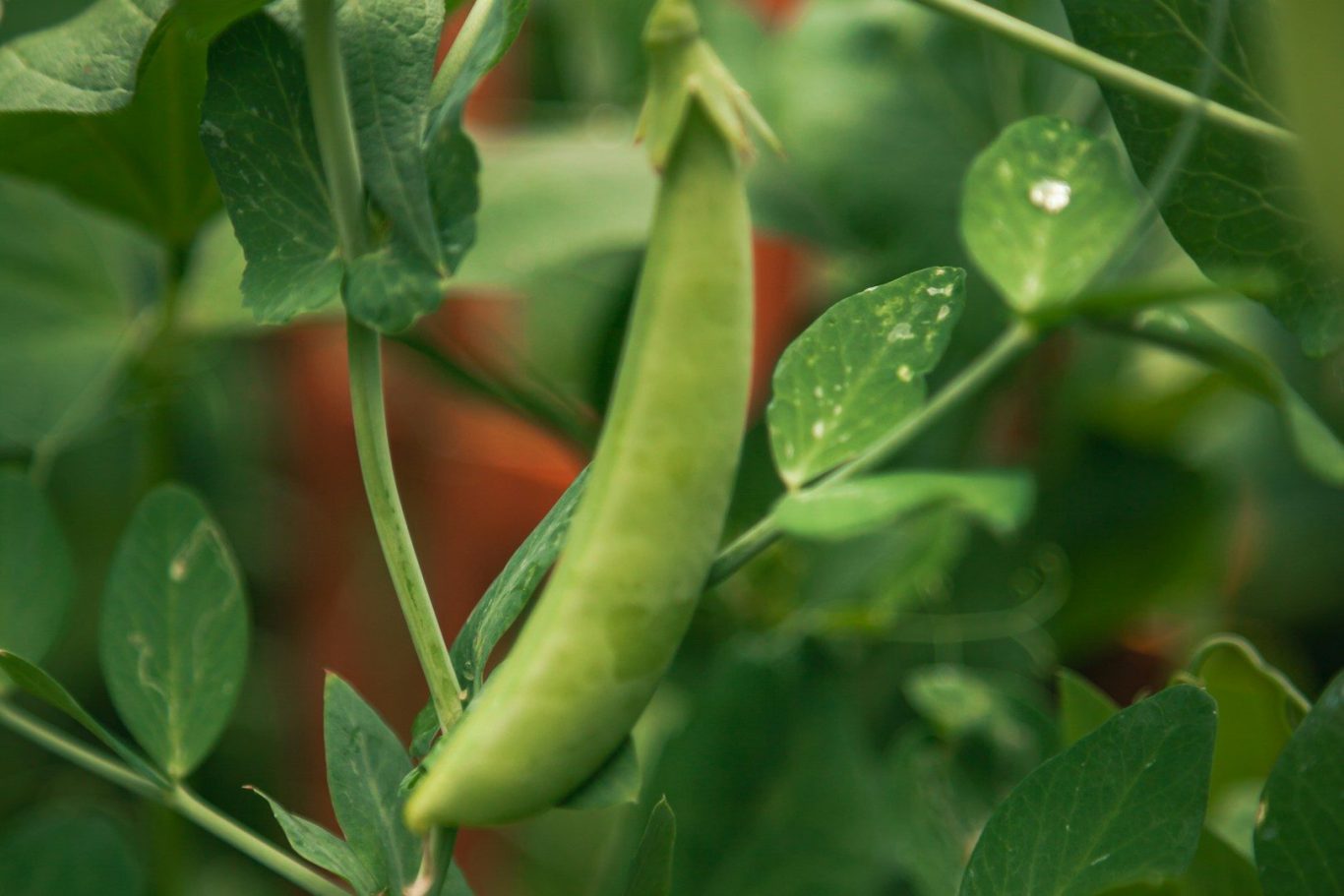
Peas
Pisum sativum
Home-grown, freshly picked peas are sweet and delicious, and by choosing different types and varieties, you can harvest peas from June through to October. Pick regularly, and if you have a large crop pick them all and freeze the excess.
The pods of shelling/garden peas are ready to harvest when they’re well filled. Plants will crop for several weeks. Pods develop lower down on the plants first, so work your way up when picking.
Most peas, apart from dwarf varieties, need supports to cling to, put these in place at planting time
Soil & Sowing
Sow in modules or a section of drainpipe, 8cm (3") apart and 5cm (2") deep
Plant out after risk of frost has passed, when they are 20cm (8") tall
Warm, sheltered site with well-drained, fertile soil
Growing
Harvesting
Pick regularly, from June to October
Leaving pods on plants will end flowering
Leave roots in soil and cut stem base to add nitrogen