
Growing Guide - Brassicas
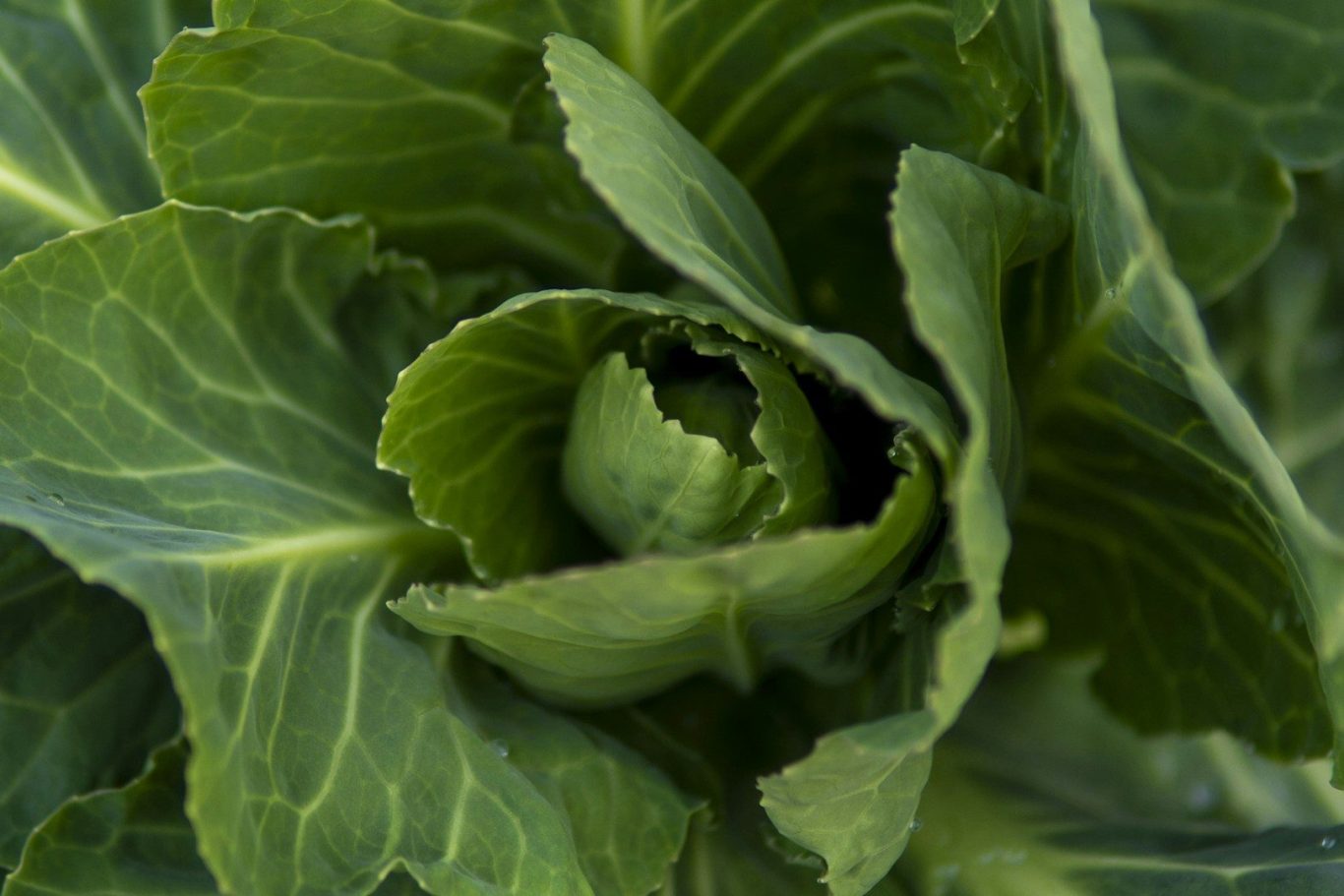
Cabbage
Brassica oleracea var. capitata
A member of the brassica family, cabbages are hardy, tasty and versatile. They can be sown indoors or outside, and are ready to harvest in about four to six months
Choose a sunny growing site with fertile, free-draining soil. Avoid ground that gets waterlogged
Although cabbages grow best in the ground, you can also plant them in large, deep containers. Not suitable for growbags
Soil & Sowing
Rich, fertile soil. Firm ground
Sowing in pots/modules avoids slug/snail damage
Transplant at around 6 weeks. Mulch bed
Allow plenty of space between plants (40-60cm)
Growing
Water consistently
Protect from birds/insects with mesh/netting
Affected by: Club root, Cabbage root fly
Harvesting
Harvest when head is compact
Take alternate plants, leaving room for the rest
Cut spring/summer cabbages at the stem, then score to grow another mini cabbage head!
Growing Guide - Brassicas
Cauliflower
Brassica oleracea var botrytis
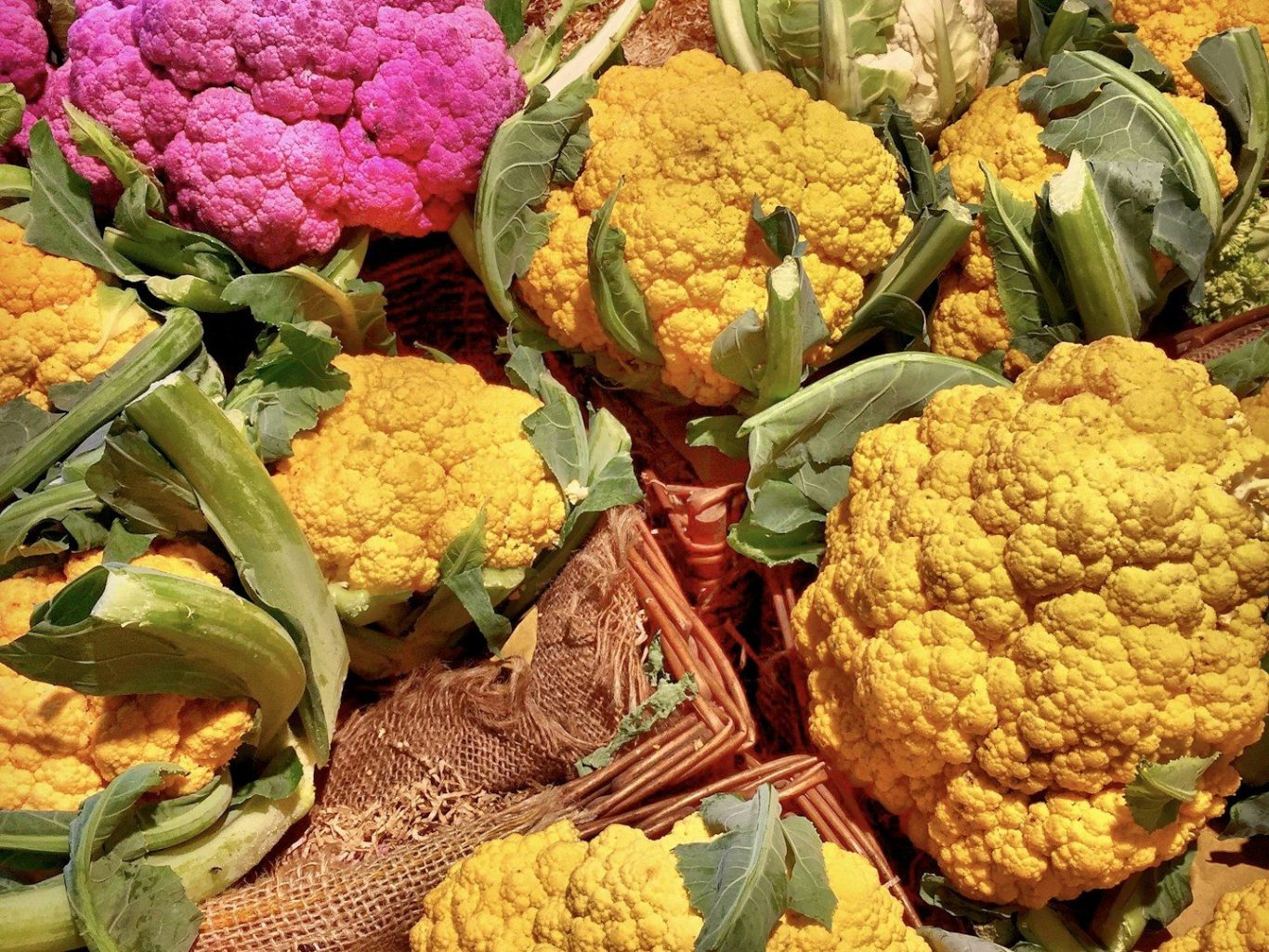
Although traditionally white, you can also grow orange, green or purple varieties
They like cool, damp weather, will bolt in hot/dry conditions
Start preparing the soil well ahead of sowing as cauli's like firm ground. Dig in well-rotted manure and allow to settle
Wide spacing helps them grow bigger and keeps them healthier by allowing good air circulation and preventing any shading. Mini caulis can also be grown in large, deep pots
Soil & Sowing
Best sown in modules/pots and transplanted out at around 6 weeks
Firm in well, cauli's like a firm footing
Protect early seedlings from frost
Protect from bird/insect damage with mesh/netting
Growing
Keep well-watered, will bolt if dry
Mulch with straw to retain water/prevent weeds
Sunlight will turn the cauli yellow, tie larger leaves over head to protect
Affected by: Club root, Cabbage root fly
Harvesting
Harvest when head is compact, before it starts to form flowers
Growing Guide - Brassicas
Brussels Sprouts
Brassica oleracea var gemmifera
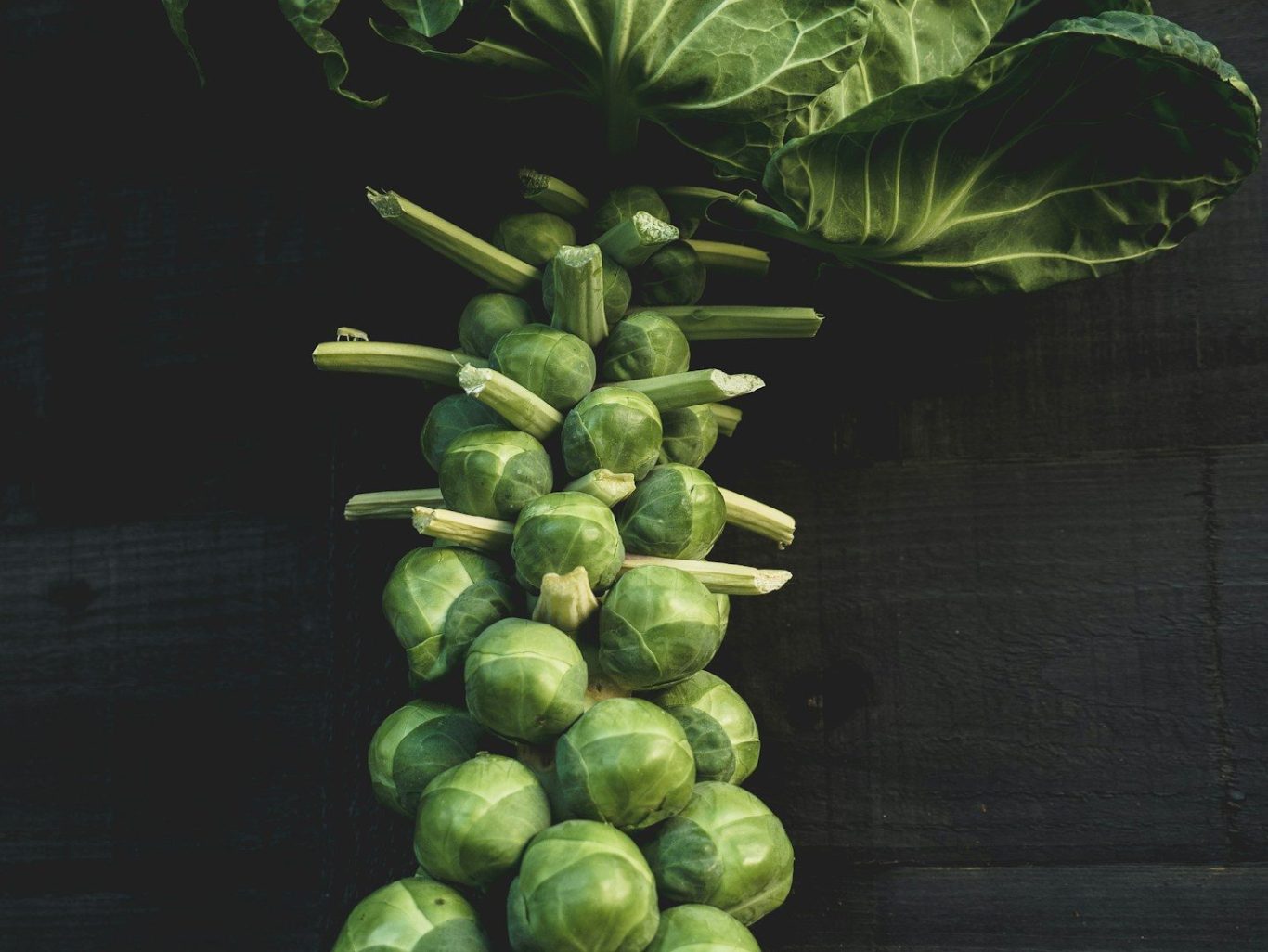
Hardy, robust and slow growing, Brussels sprouts are a classic winter vegetable, providing fresh, nutritious harvests in even the coldest weather
They form quite tall plants, so choose a sheltered spot where they won’t be buffeted by strong winds
Start preparing the soil well ahead of sowing as sprout stalks like firm ground. Dig in well-rotted manure and allow to settle
Soil & Sowing
Rich, fertile soil. Firm ground
Sowing in pots/modules
Transplant at around 4-6" (10-15cm), handle gently as doesn't tolerate root disturbance
Allow lots of space between plants (60cm/2ft)
Growing
Water consistently
Protect from birds/insects with mesh/netting
In late summer, mound up soil around the base of the stems, to provide extra support
Affected by: Club root, Cabbage root fly
Harvesting
Harvest when heads are compact, from base of stalk upwards
Remove large leaves after harvesting
Use top of plant like spring greens
Growing Guide - Brassicas
Kale
Brassica oleracea Acephala
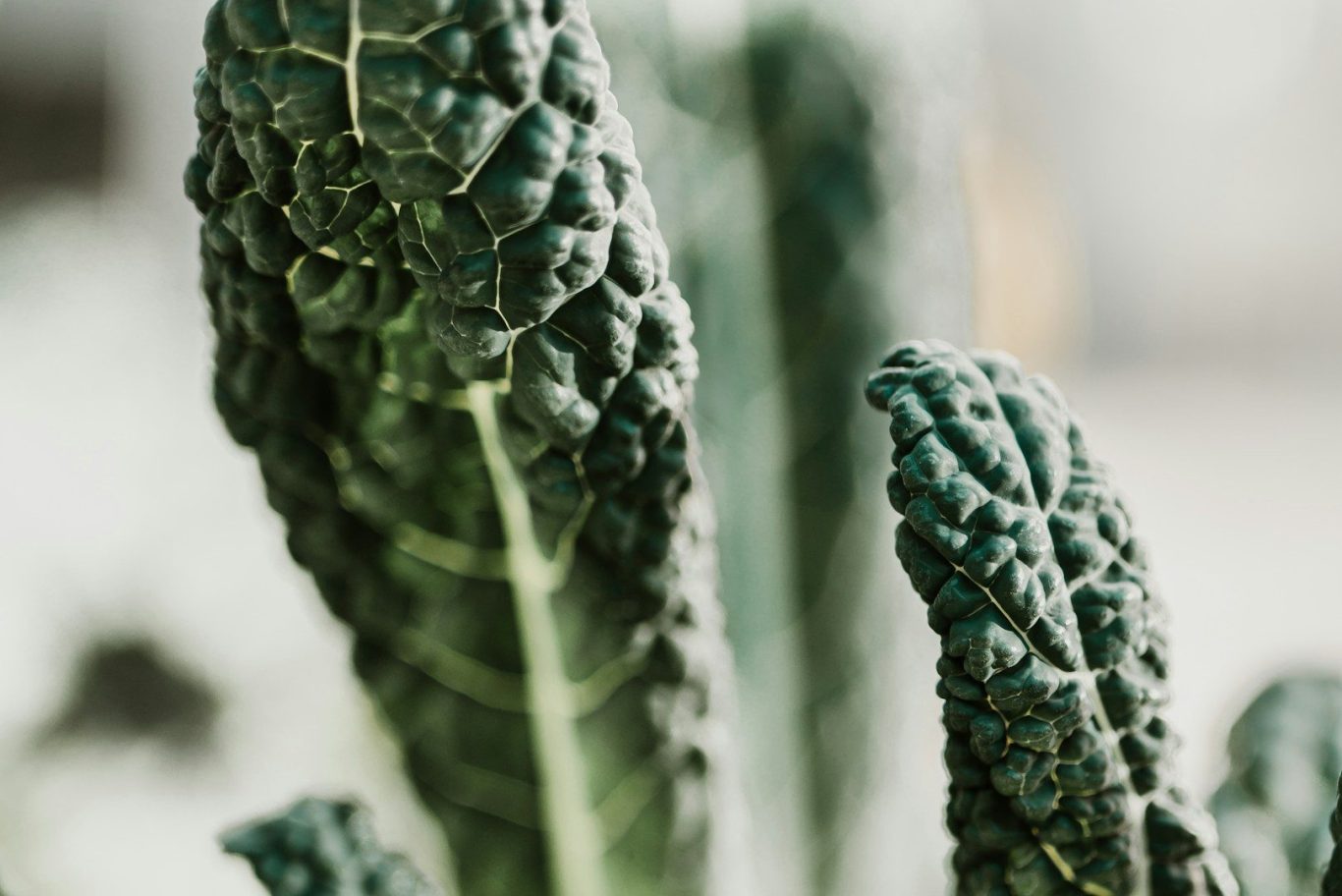
Kale is a member of the cabbage (brassica) family and is one of the hardiest leafy vegetables. It forms large, attractive plants up to 90cm (3ft) tall
Kale is easy to grow from seed sown indoors or outdoors, in spring and early summer
In autumn, insert sturdy bamboo canes to support tall kale varieties, especially in exposed locations
Kale is generally robust and hardy, producing a large crop of leaves over many months
Soil & Sowing
Prefers rich, well-drained, firm soil, but will grow in most soil types
You can sow kale seeds outdoors from March to June
Likes sun, but will also cope in light shade
Allow plenty of space between plants (50cm)
Growing
Water consistently, mulch to retain water
Protect from insects with mesh/netting
Maintain good airflow between plants
Affected by: Club root, Cabbage root fly, Cabbage white caterpillars
Harvesting
Ready to harvest from September onwards. Pick two or three lower leaves from each plant at a time
Growing Guide - Brassicas
Kohlrabi
Brassica oleracea var gongylodes
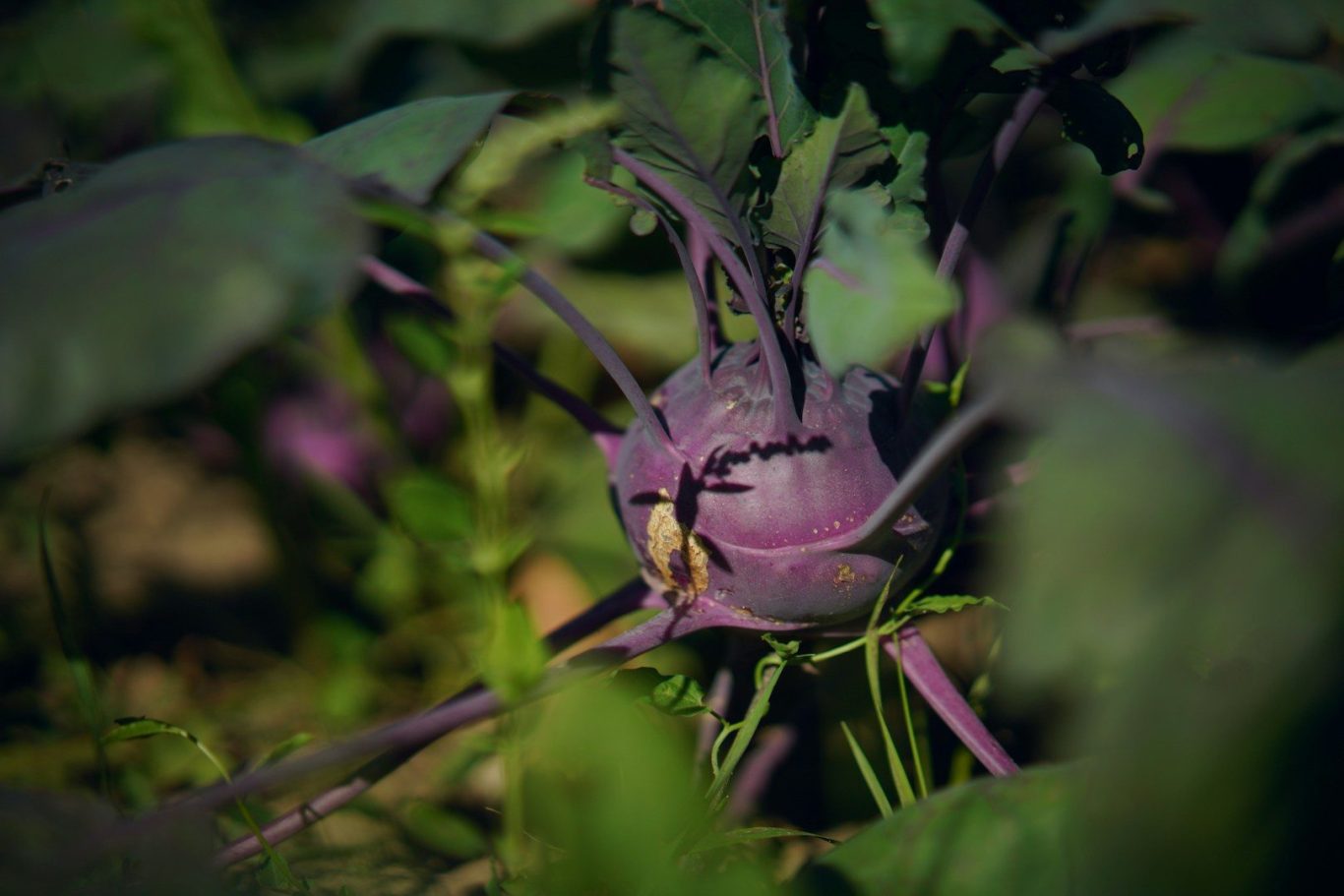
Kohlrabi forms a odd-looking, swollen stem base, often called a bulb, which can be green, white or purple on the outside, with pale green or white flesh inside
It has a sweet flavour, like broccoli or mild turnip, to which it’s closely related. The young leaves can also be cooked like greens
Fast growing, it's ideal for filling gaps on the veg plot, growing to full size in about 12 weeks
Soil & Sowing
Sunny site. Fertile, moisture-retentive soil, but will grow in light, sandy soil and partial shade
Sow in modules and transplant outdoors after risk of cold has passed
Sow several small batches to extend the harvest
Growing
Water consistently. Hot/dry conditions will cause bolting
Protect from birds/insects with mesh/netting
Affected by: Slugs/Snails, Aphids
Harvesting
Harvest kohlrabi when young, between golf-ball and tennis-ball size
Growing Guide - Brassicas
Swede (Turnip)
Brassica napus
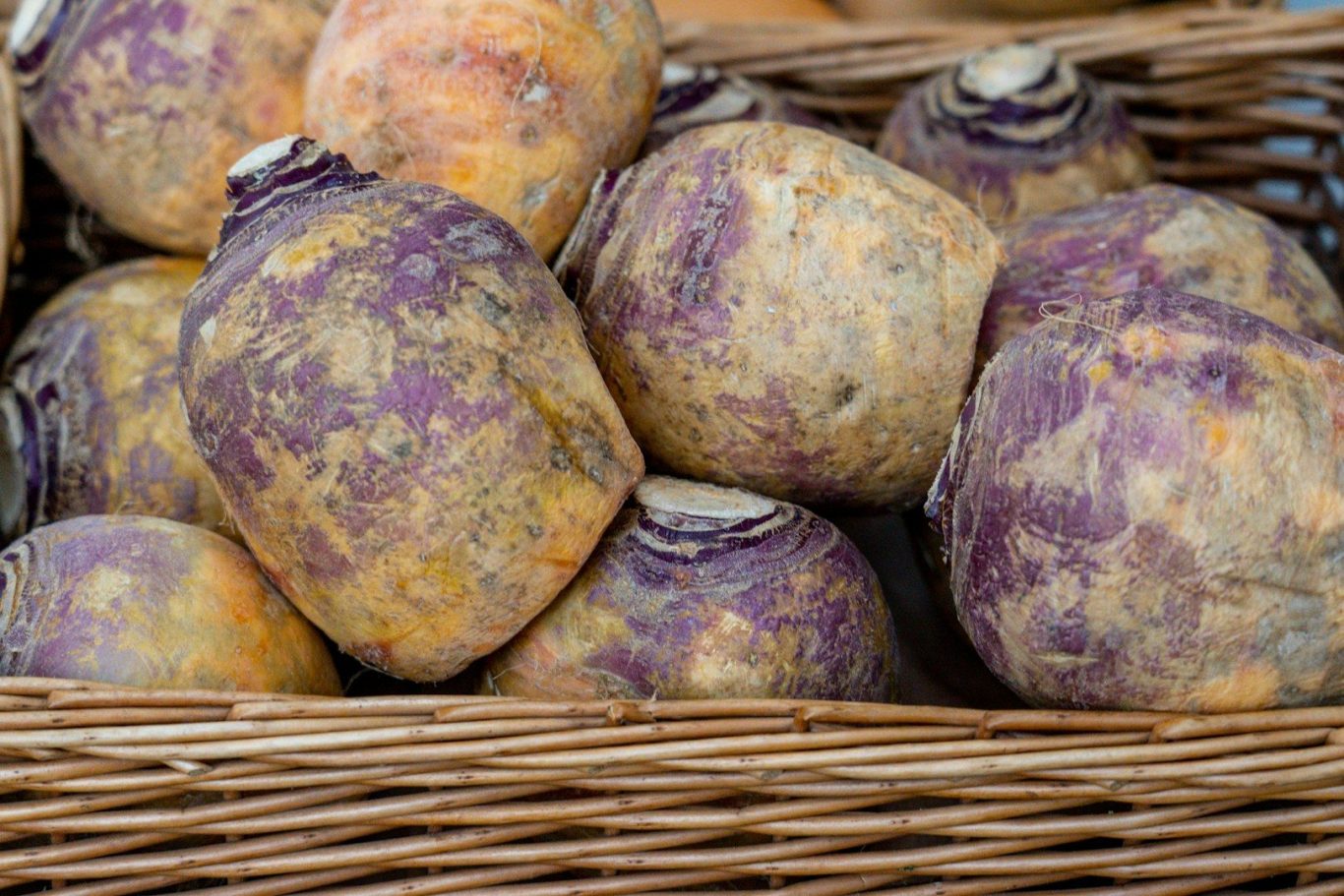
Swedes form a large, rounded root/swollen stem, usually dark purple at the top and creamy-yellow below ground.
Swedes are slow growing, taking up to six months to mature. When cooked, they have a sweet, nutty flavour and creamy, yellow flesh.
Swedes are very versatile and can be harvested after only a few weeks, as young roots or they can also be left to grow slightly larger
Soil & Sowing
Soe direct, spacing 15" (38cm) apart
If sown in modules, transplant before tap root develops
Harden off carefully before transplanting outside
Growing
Keep free of weeds, to reduce competition for light, water and nutrients.
Water consistently. Drying out will cause splitting
Affected by: Club root, Cabbage root fly, Cabbage caterpillars
Harvesting
Ready to harvest from early autumn onwards, but you can leave them in the ground into winter
If soil is heavy or sits wet over winter, lift the roots in late autumn and store them
Growing Guide - Brassicas
Turnip - purple top
Brassica rapa subsp. rapa
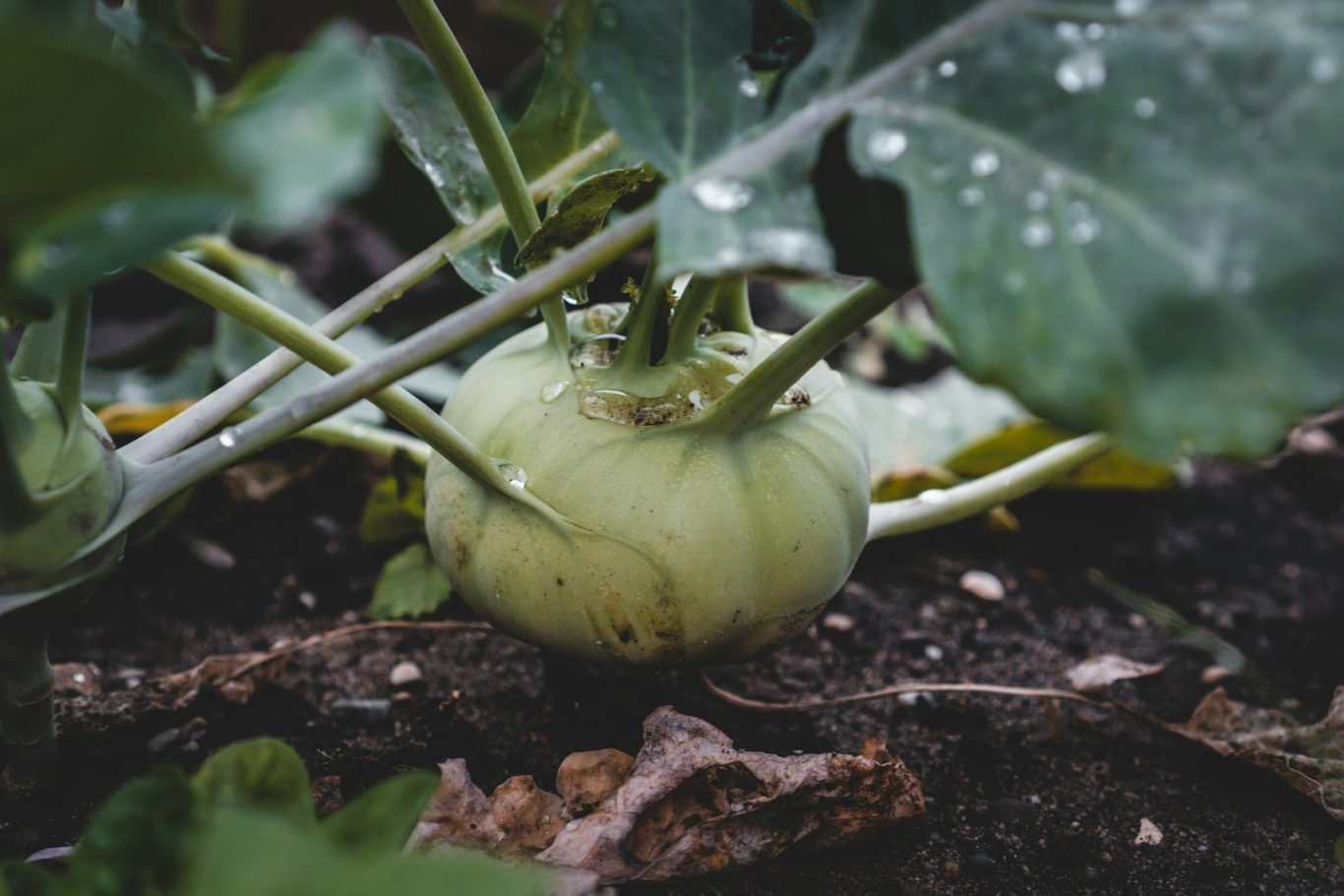
Turnips are easy to grow from seed, forming small rounded or flattened roots, usually with white or purple skins. Ready in as little as six weeks, they are best harvested young, and the leaves can be eaten like spinach.
As they grow so fast, they are great for sowing between slower-growing crops, such as parsnips, and if you make regular small sowings you can have harvests from late spring to autumn.
They are best harvested when small and full of flavour and the leaves can be harvested too! Young leaves have a peppery flavour and can be eaten raw, while larger leaves can be cooked like spinach.
Soil & Sowing
Sunny site. Fertile, moisture-retentive soil
Best sown direct, but can be sown in modules and transplanted
Sow several small batches to extend the harvest
Growing
Water consistently. Dry conditions will cause bolting/splitting
Weed ground regularly
Protect from birds/slugs with mesh/netting
Affected by: Slugs/birds
Harvesting
Ready to harvest in 6-10 weeks
Harvest before cold, frosty weather comes
Growing Guide - Brassicas
Mizuna (Asian greens)
Brassica rapa var. nipposinica
Also known as oriental or Japanese greens, mizuna is quick and easy to grow from seed, in sun or semi-shade. Eaten raw or slightly cooked, it has a mild, spicy flavour.
They grow best in the cool, damp weather of spring and autumn, and late sowings will often continue cropping into winter. For continuous harvests, sow small batches a few weeks apart.
Remove any flower stems that start to form too. The buds and flowers are edible and can be added to salads and stir-fries. Once flowering becomes unstoppable, harvest the entire plant.
Soil & Sowing
Grows best in slightly damp soil
Thin seedlings 10-15cm (4-6") apart
Sow in batches to extend the harvest
Growing
Water in the morning, mulch ground for retention
Protect with cloches during colder months
Affected by: Slugs/Snails
Harvesting
Harvest a few leaves at a time, or the whole head, when the leaves are 8-10cm (3-4")
Growing Guide - Brassicas
Pak choi (Bok choi)
Brassica rapa subsp. chinensis
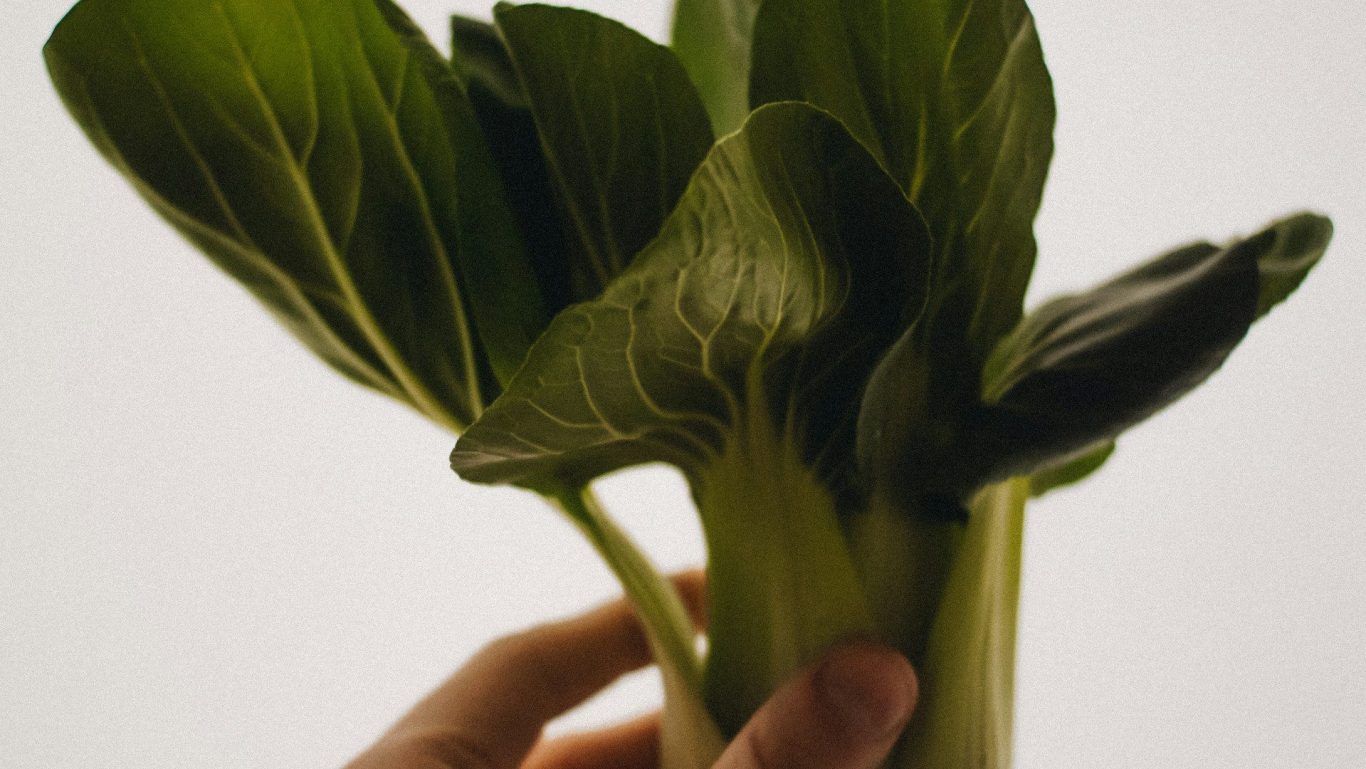
Pak choi is a fast-growing oriental brassica that can be used as baby leaves in salads or as a larger rosette for cooking – lightly steam, sauté or stir-fry so the stems retain their succulent crunch.
Pak choi is easy to sow indoors or outside, in the ground and in large containers, growing best in mild, damp weather in spring/early summer and late summer/autumn.
Baby leaves are ready to pick in a few weeks – snip off individual leaves, only taking a few from each plant. Full-sized Pak choi should be ready to harvest in 45–75 days, cut through the base of the stem with a sharp knife.
Soil & Sowing
Grows best in slightly damp soil
Thin seedlings 8–10cm (3–4in) apart for baby leaves, 25–30cm (10–12in) apart for mature plants.
Sow in batches to extend the harvest
Growing
Water in the morning, mulch ground for retention
Protect with cloches during colder months
Affected by: Slugs/Snails
Harvesting
Harvest a few leaves at a time, or the whole head
Can be picked from early summer to autumn